Stamp Collection Valuation: What Is Your Collection Worth?
Stamp collection valuation is the process of estimating what an entire stamp collection may be worth, not just pricing one attractive stamp. A realistic value depends on the best items, overall condition, organization, duplicates, market demand, and whether the collection is suitable for a dealer, auction, private sale, or professional appraisal.
Why Stamp Collection Valuation Is Different From Single Stamp Value
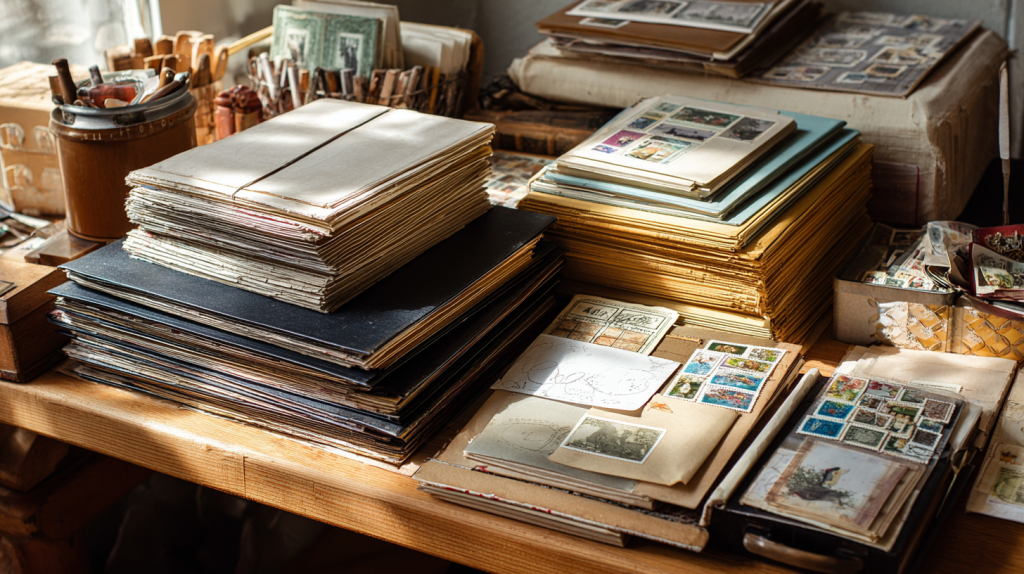
A single stamp can be researched by identifying the exact issue and comparing similar examples. A full collection is different. Buyers look at the quality of the best stamps, the amount of common material, the time needed to sort it, and how easy it would be to resell. The total value is rarely the sum of every catalog number in an album.
This is why inherited collections can be confusing. A large album may look impressive but contain mostly common used stamps. A smaller group can be more valuable if it includes early issues, scarce varieties, high denominations, clean mint stamps, or desirable postal history.
Collection Quality
One strong album with better material can be worth more than several boxes of common duplicates.
Condition Range
Stains, stuck pages, missing perforations, and poor storage can reduce value across an entire collection.
Buyer Type
A dealer, auction house, collector, and casual marketplace buyer may each value the same collection differently.
How to Start Valuing a Stamp Collection
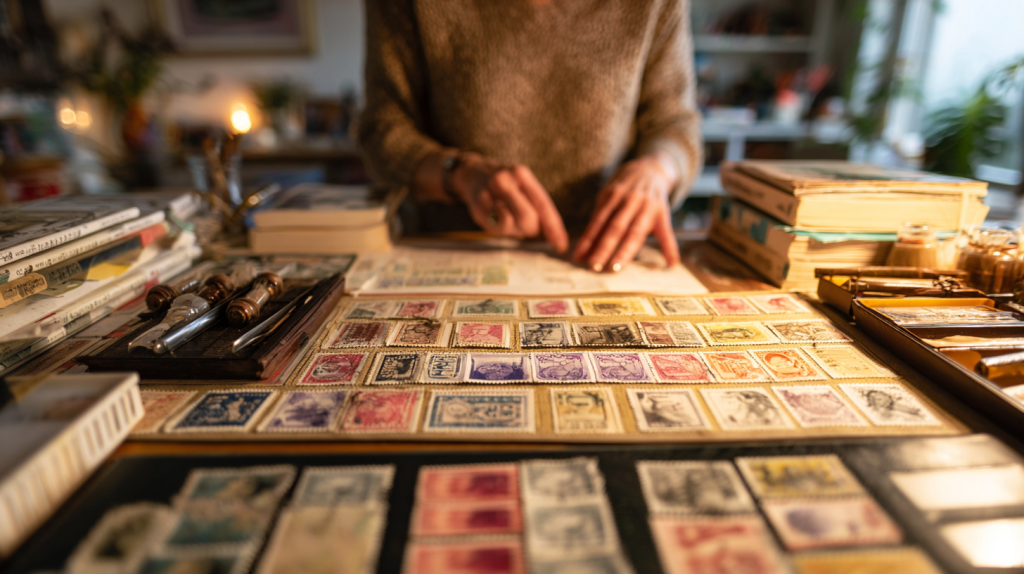
Start by preserving the collection as it is. Do not remove stamps from album pages, envelopes, or old covers until you understand whether the context matters. Take clear photos of albums, pages, and standout stamps. Then sort the collection by country, era, and condition.
Use a simple triage system: obvious common stamps, possible better stamps, and items that need expert review. The goal is not to price thousands of low-value stamps one by one. The goal is to find the pieces that could drive the collection’s value.
- Separate loose stamps from albums and covers without damaging anything.
- Flag early issues, high denominations, unusual overprints, and clean mint stamps.
- Keep envelopes and covers intact until they are reviewed.
- Photograph the front and back of better stamps.
- Make notes about countries, years, album names, and any certificates or receipts.
What Affects Stamp Collection Values?
Stamp collection values are shaped by the strongest pieces and the weakest problems. A buyer will notice rare items, but they will also discount for damaged stamps, disorganized lots, heavy duplication, missing context, and time required to verify everything.
Country also matters. Some collecting areas have deeper markets than others. Classic United States, Great Britain, British Commonwealth, Germany, France, Italy, and certain colonies often attract more buyers than random mixed worldwide material. That does not mean other countries have no value, but demand changes how easy the collection is to sell.
Condition is especially important. Stamps stuck to pages, stored in damp basements, or damaged by tape can lose much of their value. Clean, well-organized albums with labels, catalog numbers, and careful storage are easier to evaluate and easier to sell.
Completeness can help too. A nearly complete run from one country, a specialized album with varieties, or a clean topical collection may be easier to value than a loose worldwide mix. Organization does not magically create rarity, but it makes the collection more understandable to buyers.
Use a Scanner Before Paying for Appraisal
Before paying for a formal appraisal, it makes sense to identify the most promising stamps. With Stampy’s stamp value scanner, you can scan individual stamps by photo, identify the issue, and get an estimated value range. This helps you separate common material from stamps that deserve deeper research.
For older stamps, compare scan results with the old stamps value guide. For individual prices, use the broader stamp value guide. A scan is not a replacement for expert certification, but it can save time before you contact a dealer or appraiser.
When to Get a Professional Stamp Collection Appraisal
A professional appraisal makes sense when the collection appears to contain valuable classic stamps, rare covers, certificates, specialized albums, or enough better material to justify the cost. It also matters for insurance, estate planning, donation, probate, or a serious sale.
If the collection is mostly common modern stamps, a paid appraisal may cost more than it returns. In that case, a quick identification pass, basic market research, and local dealer feedback may be enough. If you are unsure, read the stamp collection appraisal guide before paying for a formal opinion.
How to Think About Selling Value
There are several “values” for the same collection. Catalog value is a reference. Retail value is what a dealer might ask for individual stamps over time. Wholesale value is what a dealer can pay while leaving room for sorting, risk, and resale. Auction value depends on demand, presentation, fees, and timing.
This difference is where many owners get disappointed. A catalog may show high numbers for individual stamps, but a dealer usually cannot pay full retail for a mixed collection. They need to account for duplicates, damaged material, slow-selling stamps, platform fees, photography, storage, and the time needed to break the collection into saleable groups.
For most inherited collections, the realistic selling value is lower than the total catalog value. That is normal. The best strategy is to identify the strongest material, document it clearly, and choose a selling route that matches the quality of the collection. The guide on how to sell a stamp collection explains those options in more detail.
Collection valuation checklist
- Photograph the full collection before moving anything.
- Sort by country, era, condition, and format.
- Scan or identify the best-looking individual stamps.
- Separate covers, certificates, and rare-looking pieces.
- Compare realistic sold prices, not only catalog values.
- Get appraisal when the collection may justify expert review.
Start valuing your collection one stamp at a time
Download Stampy to identify stamps by photo, estimate value, review rarity clues, and organize the pieces that may matter most in a full collection valuation.
Stamp Collection Valuation FAQ
How do I find my stamp collection value?
Start by sorting the collection, identifying the strongest stamps, checking condition, and comparing similar sold examples. For larger or potentially valuable collections, get a professional appraisal before selling.
Are stamp collection values the same as catalog values?
No. Catalog values are reference points. Real selling value depends on condition, demand, completeness, buyer type, fees, and how quickly you want to sell.
Should I value every stamp in a collection?
Usually no. Most collections contain a mix of common and better material. Focus first on rare-looking, early, high-denomination, clean, or unusual stamps that could drive the collection’s value.
Can an app help with stamp collection valuation?
Yes. An app can help identify individual stamps and estimate value ranges, which is useful for sorting a collection. Formal appraisals are still useful for rare, high-value, estate, or insurance situations.
When should I sell a stamp collection?
Sell after you understand the strongest items, have clear photos, and know whether the collection fits a dealer, auction house, or direct marketplace. Avoid rushing if you see possible rare stamps.