Sell Stamp Collection: How to Get the Best Price
Sell stamp collection only after you know what is inside it. The biggest pricing mistakes happen when inherited albums, old envelopes, and loose stamps are sold as one bulk lot before the better pieces have been identified, valued, and separated for the right selling route.
Should You Sell a Stamp Collection as One Lot?
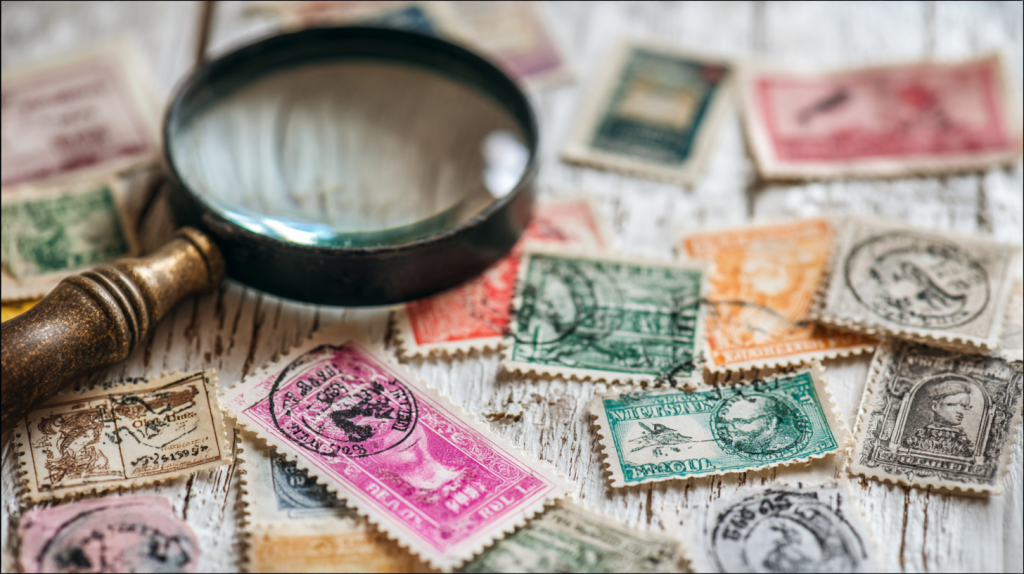
Selling the whole collection in one lot is simple, but it is rarely the highest-return option. Dealers and resellers buy bulk collections with uncertainty built into the price. If they cannot see every better stamp clearly, they protect themselves by offering less.
That does not mean bulk selling is always wrong. If the collection is mostly common modern stamps, mixed worldwide packets, or low-value album pages, selling as one lot may save time. But if there are older stamps, covers, certificates, early issues, or specialist albums, a quick review can change the result.
A good selling plan starts by separating the collection into material that should be sold individually, material that can be grouped into smaller lots, and material that belongs in a bulk sale. That one step can prevent the most common loss: letting a valuable item disappear inside a cheap box lot.
Individual Stamps
Rare, older, certified, or high-demand stamps usually need individual photos, descriptions, and pricing.
Small Lots
Country groups, topical groups, covers, and era-based lots can attract collectors without listing every stamp alone.
Bulk Material
Common duplicates and low-value mixed stamps are often best sold together or used as beginner collector lots.
Step 1: Value the Collection Before You Sell
Before contacting buyers, create a rough value map. Start with an overview: number of albums, countries, covers, loose stamps, certificates, and the approximate age range. Then look for the pieces that may drive most of the value.
Use the stamp collection valuation guide to estimate whether the collection is mostly common material or worth deeper work. For individual pieces, the stamp value scanner can help identify stamps by photo and give you a faster first estimate before you talk to a buyer.
If the collection includes old stamps, compare them with the old stamps value guide. Older does not always mean valuable, but age plus rarity, condition, postal history, or strong demand can make a major difference.
Step 2: Sort Stamps by Selling Method
Once you have a rough idea of value, sort by selling method instead of sorting only by country. This makes the collection easier to sell and easier for buyers to understand.
- Possible high-value items: classic issues, scarce countries, rare varieties, errors, certificates, valuable covers, and clean mint stamps.
- Collector lots: themed groups, country pages, unused modern sets, postal history groups, or album sections with clear focus.
- Dealer bulk: mixed worldwide material, duplicates, low-value stamps, damaged stamps, and unsorted boxes.
Do not remove stamps from envelopes, covers, or old album pages unless you are sure it is safe. Postal history can be worth more intact. A stamp soaked off an old cover may lose the context that made it interesting to a collector.
Where to Sell a Stamp Collection
The best place to sell depends on the collection, your timeline, and how much effort you want to put into the sale.
Sell to a stamp dealer
A dealer is usually the fastest route. You may get a quick offer, especially for a large collection. The tradeoff is price: the dealer needs margin for sorting, storage, listing, buyer risk, and resale.
Sell through a stamp auction
Specialist auctions can be strong for better collections, rare stamps, postal history, and certified material. They are slower than a direct dealer sale, but the right auction can expose valuable material to serious buyers.
Sell online
Online marketplaces can work well for individual stamps and small lots if you can take clear photos, write accurate descriptions, and handle shipping. Completed sales are more useful than asking prices when setting expectations.
Sell locally
Stamp clubs, local collectors, and regional dealers can be practical when you want a simpler sale. For higher-value collections, compare more than one opinion before accepting an offer.
How to Avoid Low Offers and Bad Listings
The easiest way to receive a low offer is to say, “I do not know what this is worth.” Buyers can be fair, but uncertainty usually lowers the price. Before negotiation, know which stamps look important, which items need expert review, and which parts are probably common.
For valuable collections, consider a stamp collection appraisal before selling. You do not always need a formal written appraisal, but an expert review can help when there are certificates, classic stamps, old covers, or estate decisions involved.
For online listings, avoid vague titles like “old stamp collection.” Use country, era, condition, catalog clues, and clear photos. Show the front and back of important stamps. Mention faults honestly. Serious buyers trust accurate listings more than inflated claims.
Prepare Stamps Before You Contact Buyers
Preparation helps buyers evaluate the collection faster and can improve offers. Keep albums intact, leave covers whole, and do not clean, flatten, soak, tape, or repair stamps. Damage done before selling is usually permanent.
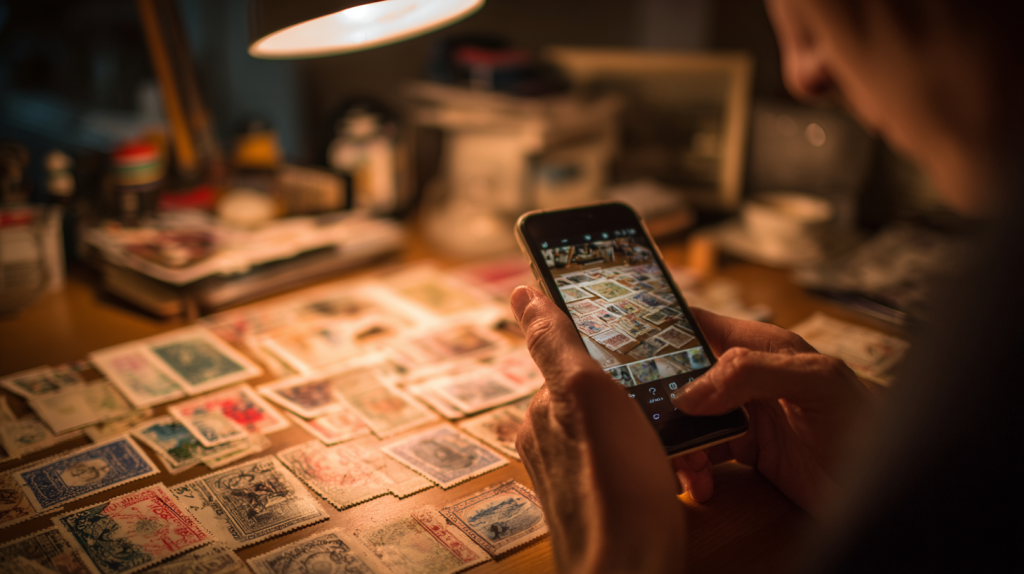
Create a simple inventory with album count, country groups, old covers, loose boxes, certificates, and anything that looks unusual. Photograph the best pages in good light. For individual pricing, use the stamp value guide to understand condition, rarity, demand, and recent sale comparisons.
If you find a potentially rare item, slow down. Compare it with known valuable examples, check condition carefully, and consider a specialist opinion. The most valuable stamps guide can help you understand the kinds of rarity signals collectors care about, even if your stamp is not one of the famous examples.
Pre-sale checklist
- Scan or photograph the best stamps and full album pages.
- Separate possible high-value items from common bulk material.
- Keep covers, envelopes, and album pages intact.
- Check completed sales instead of relying only on asking prices.
- Compare more than one offer for valuable collections.
- Use an appraisal when the collection may affect an estate, insurance, or donation decision.
Know what you have before you sell
Download Stampy to identify stamps by photo, estimate value, and decide which pieces to separate before selling a stamp collection.
Sell Stamp Collection FAQ
Where is the best place to sell a stamp collection?
For speed, a dealer is usually best. For valuable material, a specialist auction may produce stronger results. For individual stamps or small lots, online marketplaces can work if you can photograph and describe them accurately.
Should I sell stamps one by one or as a collection?
Sell better stamps individually or in focused lots. Sell common duplicates and low-value mixed material as bulk. The right choice depends on value, time, and how organized the collection is.
How do I know if my stamp collection is valuable?
Look for older issues, certificates, scarce countries, valuable covers, strong condition, complete sets, and rare varieties. A valuation scan or appraisal can help separate better material from common stamps.
Should I get an appraisal before selling?
Get an appraisal if the collection may contain high-value stamps, is part of an estate, includes certificates, or has strong postal history. For common collections, a quick dealer opinion or online screening may be enough.
Can I sell stamps that are still on envelopes?
Yes. Do not remove them before review. Stamps on original covers can be more valuable because cancellations, dates, routes, and postal markings may matter to collectors.