
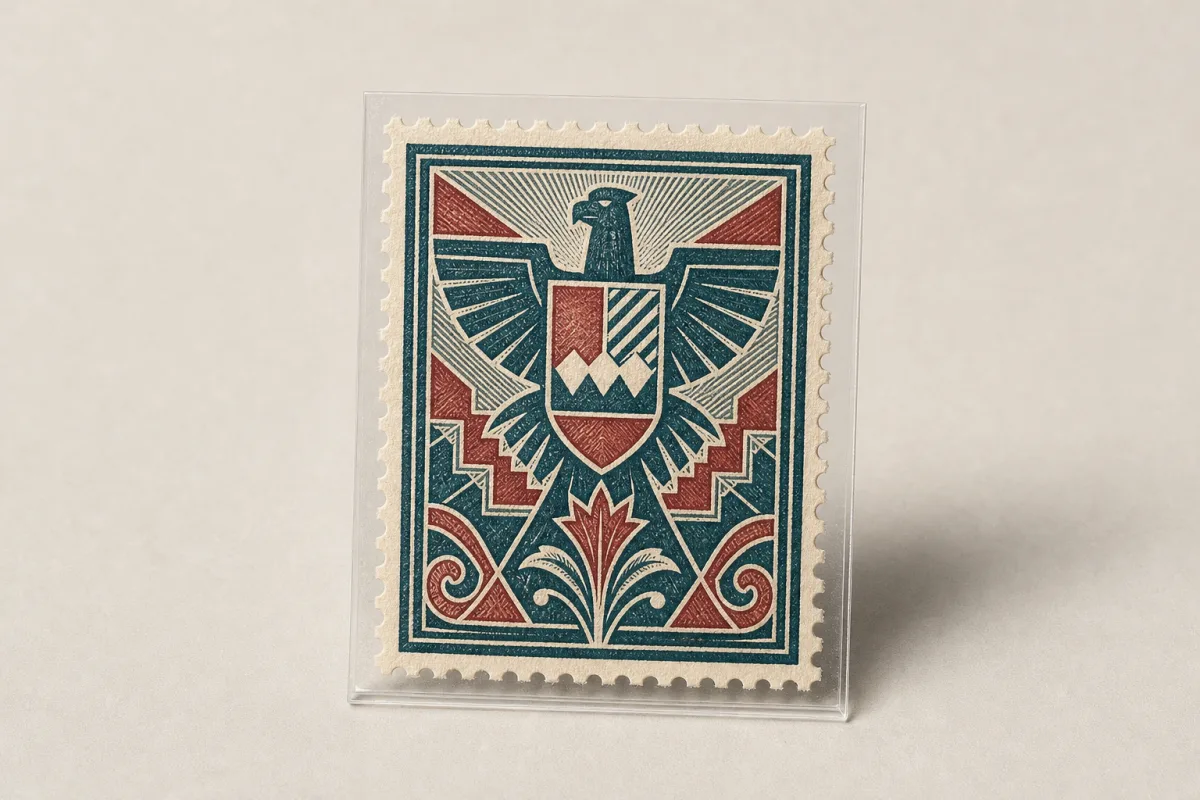
Some Czechoslovakia stamps can be valuable, but country name and age alone are not enough. The strongest candidates are usually scarce early issues, genuine provisional overprints, errors or specialist varieties, proofs, and well-preserved material with credible provenance. Identify the exact stamp before assigning a price: a common-looking design can have a specialist counterpart, while a damaged or altered rarity may have far less market appeal.
Czechoslovakia existed from 1918 to 1992. In catalogues and auction descriptions, stamps from that period are generally grouped under Czechoslovakia; stamps issued later should be researched under the relevant successor-state heading rather than assumed to be part of the same series. Source (accessed 2026-10-23)
What can make a Czechoslovakia stamp rare?
Rarity is a combination of the exact issue and the surviving example. A stamp is worth investigating when it has a limited issue or survival, an important postal-history use, a recognized printing variety, a genuine surcharge or overprint, or unusually strong condition. Demand matters too: a scarce item without active specialist interest may sell differently from a widely collected issue in exceptional condition.
- Early provisional and overprinted material: inspect the base stamp and the overprint together. Letter shape, alignment, ink, spacing, and the underlying issue all matter.
- Proofs, essays, and imperforate material: these can be specialist items, but they need careful attribution. A missing perforation can also result from trimming or damage.
- Printing varieties: plate flaws, colour differences, paper differences, watermark positions, and perforation varieties need comparison with a specialist catalogue or reference copy.
- Postal history: a stamp on its original envelope may retain evidence from the cancellation, route, rate, and destination. Do not remove it from a cover to make it easier to display.
A practical starting point is to compare the inscription, denomination, design, and format with a reliable catalogue. Then record whether the stamp is mint or used, whether it has original gum, and exactly what the cancellation says. For a broader approach to this first stage, see Stamp Identification Guide: Identify Old Stamps.
Identify the issue before researching value
Photograph the front and back in even light, without filters or heavy editing. Keep the whole stamp in frame, including perforations and margins. For an overprint or suspected variety, add a close image that shows the relevant letters, numeral, or printing detail. A separate image of the cancellation can be useful when the date or town is legible.
- Read the inscription carefully. “Československo” is a useful country clue, but it does not identify the exact issue on its own.
- Note the denomination and currency exactly as printed; do not silently convert it to a modern currency.
- Describe the central design, colours, and orientation. Small differences can separate related issues.
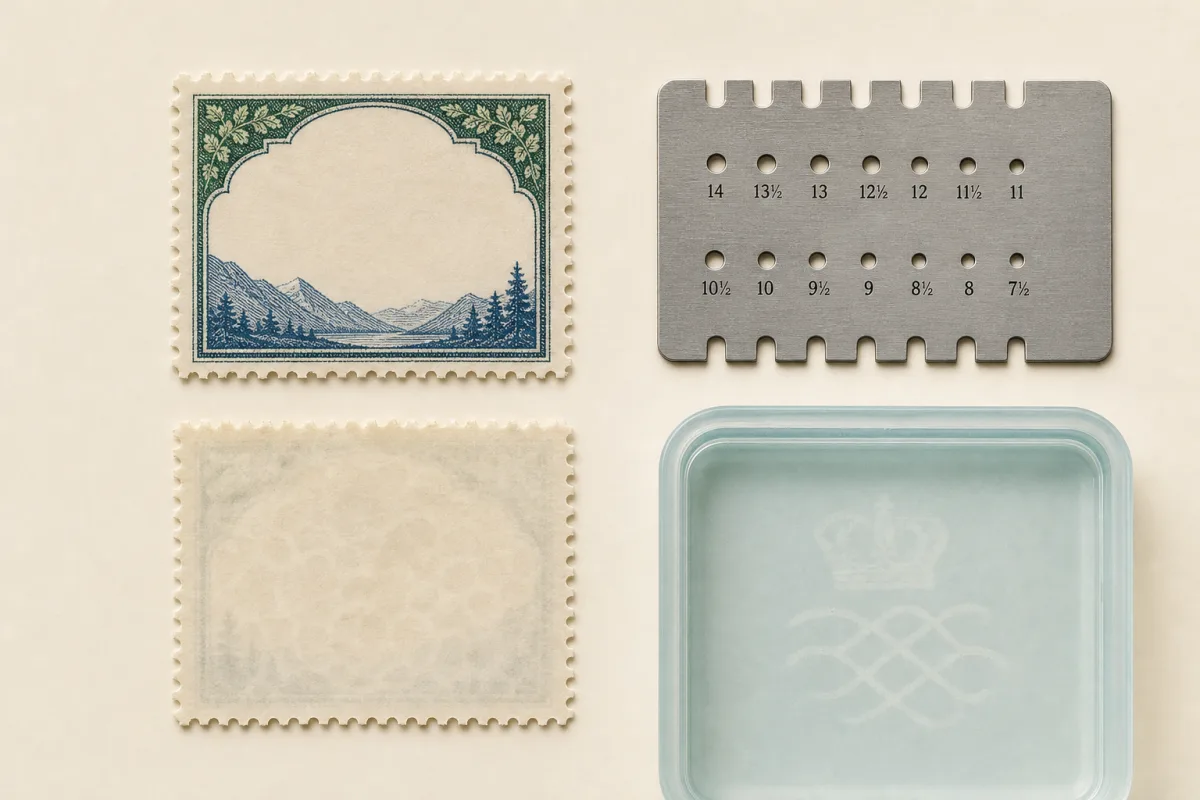
- Measure the stamp and perforations if possible. State the method used rather than guessing from a photograph.
- Check the reverse for watermark, gum condition, hinges, thinning, repairs, or an expert mark.
- For used stamps, transcribe the cancellation rather than relying only on a partial visual impression.
Keep uncertainty in your notes. “Possible overprint; needs comparison” is more useful and safer than declaring an error from a low-resolution image. If you are sorting a mixed collection, How to Identify Your Stamps and Research Their Value explains how identification and price research fit together.
Condition, authenticity, and provenance can change the result
Centering, clean perforations, fresh paper, intact original gum, and an unaltered reverse can materially affect collector interest. So can faults: short perforations, tears, creases, stains, thin spots, regumming, reperforation, and repaired corners should be disclosed. A cancellation is not automatically a defect, but an indistinct or suspicious cancellation can complicate identification.
Overprints deserve extra caution. A genuine base stamp does not prove that an overprint is genuine, and an unusual-looking item is not automatically an error. Compare it against a documented reference, including the position, ink appearance, and expected underlying stamp. For a potentially significant item, use a recognised specialist, expertising service, or established auction house before buying, selling, or insuring it.
Questions to ask before calling a stamp rare
- Is the country, issue, and denomination identified from more than one visible clue?
- Could the difference be damage, trimming, fading, or a later alteration?
- Is the overprint, watermark, or perforation consistent with a documented variety?
- Is there a certificate, collection history, expert opinion, or auction record that supports the attribution?
- Does the comparison item have a similar condition and format?
Read prices by evidence type, not by the biggest number
A catalogue figure, dealer price, marketplace asking price, auction estimate, and auction realization answer different questions. A catalogue can help identify a listed variety; an asking price shows what a seller hopes to receive; an estimate is a pre-sale opinion; and a realized price records what a specific lot sold for at a particular time. None transfers automatically to another copy.
One archived Stamp Auction Network page describes a rare Czechoslovakia overprint with only 100 printed and reports it as sold for $4,500.00. The same page also displays a separate result of $4,250.00. These are historical sale records from that page, not price promises, and the individual lot description and condition must be checked before using either figure as a comparison. Source (accessed 2026-10-23)
Later-period material should not be dismissed automatically. Burda Auction promoted specialised Czechoslovakia material from 1945-1992 in its Auction 80, which is a useful reminder that research should focus on the precise issue and variety rather than a simple early-versus-late rule. Source (accessed 2026-10-23)
A sensible valuation path for owners
- Make a clear identification record with front, back, close-detail, and cancellation photographs.
- Separate ordinary duplicates from stamps with unusual overprints, formats, paper, perforations, or provenance.
- Find comparable auction results only after confirming the issue and condition.
- Ask a specialist dealer or auction house for review if the item appears uncommon or valuable.
- When selling, disclose faults and retain certificates, old lot cards, and collection notes with the stamp.
Stampy is described in its App Store listing as a stamp identification and value estimation product. It may be useful for creating an initial record, but a potentially rare Czechoslovakia stamp still needs comparison against specialist references and, where appropriate, expert review. Source (accessed 2026-10-23)
For the wider price-research process, read Current Stamp Price: What It Means and How to Estimate a Stamp’s Value and How to Determine the Value of Stamps: Complete Guide. If your stamp is one part of an older international album, Old Stamps Value: Check Vintage and Antique Stamps can help you decide what to document first.
Where to research, buy, or sell
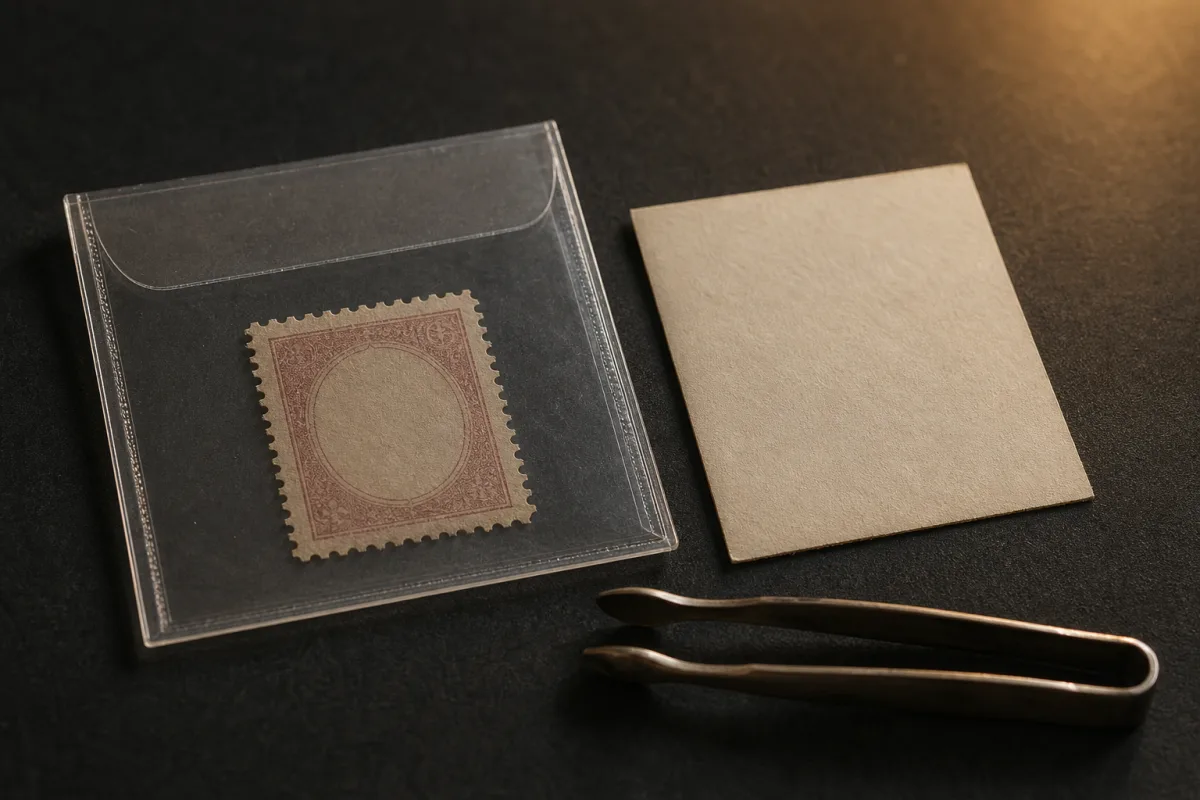
Use catalogues and specialist references to identify an issue, then use established auction archives to look for comparable sold lots. Dealers can be useful for a condition-based opinion or a direct offer; auction houses can be more suitable for material with strong provenance or specialist demand. General marketplaces may help you spot labels and terminology, but unsold listings should not be treated as evidence of market value.
When you contact a specialist, send uncropped images, dimensions, a description of faults, and any provenance. The best outcome is often not an immediate price: it is a reliable identification that tells you whether the stamp needs expertising, an auction comparison, or no further work.