
Stamp Value Guide
How to Identify Your Stamps and Research Their Value
Learn how stamps and their value are determined, what collectors look for, and how to estimate a stamp’s worth before selling or appraising it.
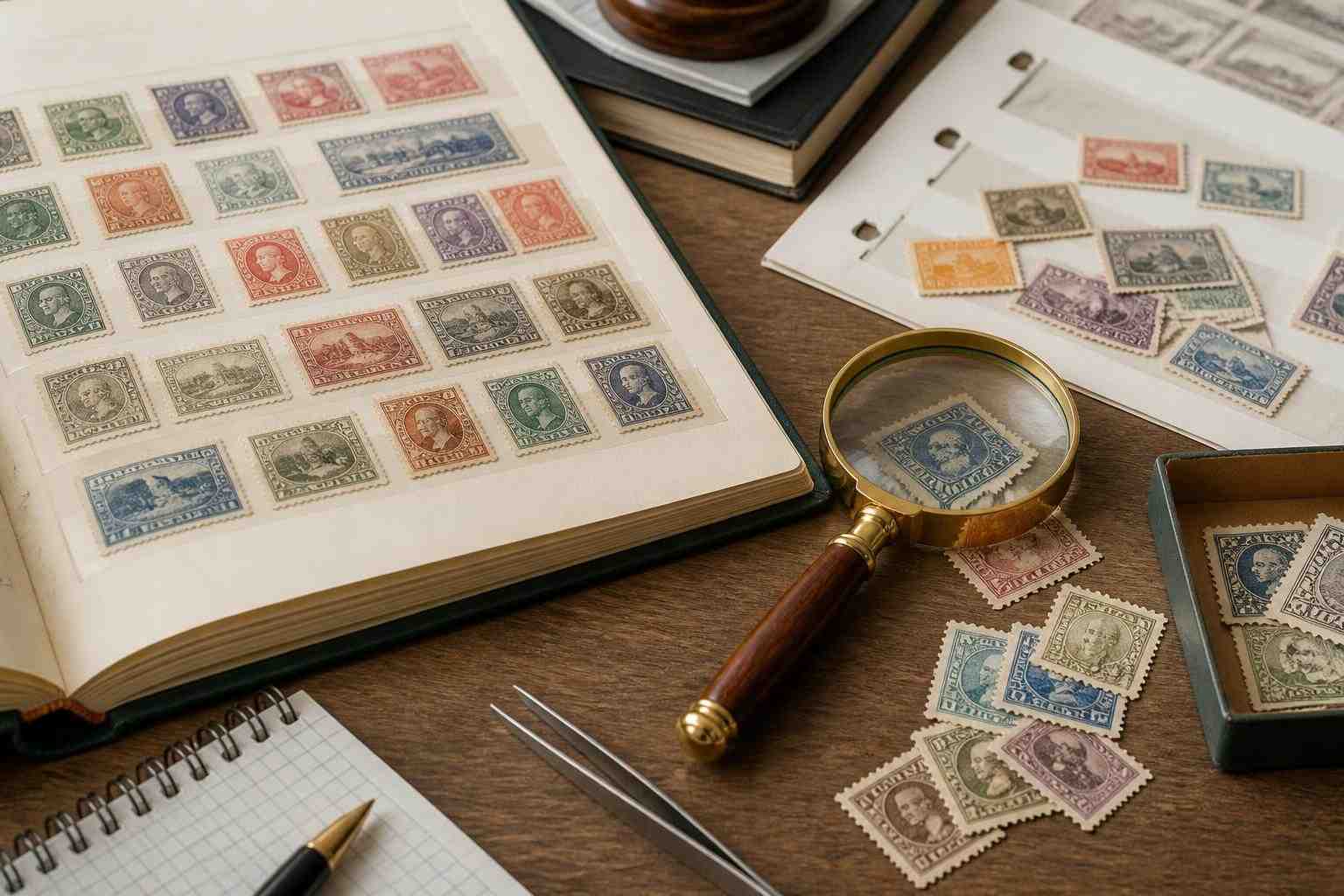
If you have old or unusual stamps, the big question is often the same: what are stamps and their value, and how do you estimate it without guessing? The answer depends on a mix of condition, rarity, demand, and whether the stamp is used, mint, or tied to a specific issue that collectors want.
This article walks through the main valuation factors, shows a simple way to check a stamp’s worth, and explains what to do next if you are thinking about selling or getting an appraisal. If you want a faster first pass, a stamp identifier/value scanner can help narrow down the issue before you do deeper research. You can also use the Stampy stamp value identifier app as a starting point.
What determines stamps and their value?
Two stamps can look similar and still have very different values. Collectors usually pay for a combination of scarcity, condition, and demand rather than age alone.
- Rarity: Lower print runs, destroyed stocks, or limited usage can increase interest.
- Condition: Centering, gum, perforations, color, and faults matter a lot.
- Mint vs. used: Unused stamps may be worth more, but not always.
- Variety: Watermarks, papers, errors, shades, and perforation differences can change value.
- Demand: A common stamp in a popular collecting area can be easier to sell than a rarer stamp nobody wants.
- Postmark or postal history: On used stamps, a clear, desirable cancel can help or hurt depending on the issue.
It helps to remember that catalog listings are not the same as real-world selling prices. A catalog value is usually a reference point, while actual sale price depends on the exact stamp and the market at the moment.
A practical way to estimate a stamp’s worth
Before you ask for an appraisal or list a stamp for sale, work through a simple identification process. The goal is to narrow the issue, confirm the condition, and compare it with recent market examples.
- Identify the stamp issue. Look at the country, denomination, design, color, and era.
- Check whether it is mint or used. Look for gum on the back, hinge marks, or a postmark.
- Inspect condition carefully. Check for tears, thinning, creases, short perforations, stains, and fading.
- Look for varieties or errors. Compare watermark, perforation, paper type, and any unusual printing features.
- Search comparable sales. Find recent auction results, dealer listings, or collector references for the same stamp.
- Adjust for condition. A clean, well-centered example often sells better than a damaged one.
| Factor | Why it matters | What to check |
|---|---|---|
| Condition | Collectors pay more for attractive examples | Tears, creases, gum, centering, perforations |
| Rarity | Scarcer stamps usually have stronger demand | Print run, issue type, known varieties |
| Demand | Popular sets can outperform less collected issues | Collector interest, country/era popularity |
| Authenticity | Fakes and repairs can reduce or eliminate value | Paper, gum, cancel, perforations, expert opinion |
| Usage | Mint and used examples can trade differently | Hinged/unhinged, postmark quality, postal history |
Common situations that affect value
Some stamps are valued mainly as common postage, while others deserve a closer look. If you are trying to understand stamps and their value, these are the kinds of issues that often come up.
Modern postage and forever issues
Many modern stamps are worth close to face value unless there is a special variety, an error, or demand from a specific collector group. If you are comparing postage-type material, the article on current stamp price may help you understand why everyday stamps are usually priced differently from collectible examples.
Older definitive stamps
Older definitives can be common in low grades but more desirable in better condition or with scarce shade and paper varieties. For example, U.S. classics and mid-century issues often need close inspection because small details can make a big difference.
Country-specific collecting areas
Collectors often focus on specific countries or periods. In some areas, demand is strong because of design, history, or limited survival rates. If you collect international material, checking international stamp prices can help you understand how regional demand affects pricing.
Postage-related stamps and service issues
Not every stamp is a classic album piece. Some stamps were issued for specific postal rates or services, and their value may depend on whether collectors still need them. For example, if you are looking at utility or mailing-rate issues, reading about additional ounce stamp value can show how purpose influences collectability.
Quick signs your stamp may be more than ordinary postage
Here is a simple checklist to use before you assume a stamp is common.
- It has a low denomination from an older issue.
- The design is harder to find in clean condition.
- The perforations or watermark look unusual.
- The postmark is especially clear or historic.
- The stamp is part of a better-known set or commemorative run.
- The color, paper, or gum appears different from other examples you have seen.
A stamp’s age alone does not set the price. Collectors usually pay for the combination of authenticity, condition, and how hard it is to find a comparable example.
When to ask for an appraisal or sell
If your stamp looks scarce, is in excellent condition, or seems to have a variety that is not obvious at first glance, an expert opinion is worth considering. The same is true if you have a group of stamps and want to know which pieces deserve individual attention.
- Use an appraisal when: the stamp may be valuable, has a suspicious feature, or is tied to a specialized collecting area.
- Sell directly when: you already know the issue and have checked recent comparable sales.
- Hold for later: if the market is thin and you need time to research or group related stamps together.
For common stamps, selling in bulk may be more practical than pricing each piece one by one. For better stamps, a focused listing or auction format may bring stronger results.
How to present a stamp for appraisal or sale
Good presentation does not create value, but it helps avoid losing value through damage or confusion. A careful workflow also makes it easier for a buyer or appraiser to judge the item correctly.
- Handle stamps with clean hands or stamp tongs.
- Keep them away from moisture, tape, and sunlight.
- Place each stamp in a protective sleeve or stock card.
- Write down country, denomination, and any visible marks.
- Photograph both front and back in good light.
- Note any flaws, no matter how small.
If you need help identifying what you have, a stamp identifier/value scanner is a convenient first step before you spend time sorting and comparing. For a quick app-based lookup, try the Stampy stamp value identifier app.
Examples of valuation topics people commonly search
Collectors often search by denomination, issue, or use case when they want to narrow down stamps and their value. These focused searches can be helpful because different issues follow different market patterns. For instance, you may want to compare specific U.S. issues such as the 1 Cent Thomas Jefferson stamp value or the 8 Cent Eisenhower stamp value if those are the kinds of stamps in your album.
If you are mostly looking at postage rates, you might also compare the average cost of a stamp to the value of unused material you already own. That can help you separate face-value postage from collectible stamps with real market demand.
FAQ
How do I know if a stamp has collector value?
Start by checking the issue, condition, and whether it appears mint, used, scarce, or error-related. Then compare it with recent sales of the same stamp, not just catalog listings.
Are old stamps always valuable?
No. Some old stamps are common and trade for only modest amounts, especially if they have condition issues. Age helps, but rarity and demand matter more.
What is the biggest mistake people make when pricing stamps?
The most common mistake is assuming a catalog price equals a selling price. Another is ignoring flaws such as thin spots, repairs, or badly centered perforations.
Should I clean a stamp before selling it?
No. Cleaning can damage paper, gum, or color and reduce value. It is better to leave the stamp as found unless a professional recommends otherwise.
What is the fastest way to begin identifying stamps and their value?
Use a scanner or identification app to narrow the issue, then compare condition and recent market examples. That gives you a more reliable starting point than guessing from appearance alone.
If you want a simple next step, scan your stamp, compare the listing details, and then move into comparable sales or expert appraisal only for the pieces that seem promising. That approach saves time and helps you focus on the stamps most likely to have real collector value.
Try the Stampsidentifier app
Use the app when you want a faster photo-based check before comparing details manually.