
Stamp Value Guide
Which Postage Stamps Are Valuable? A Collector's Guide
postage stamps that are valuable: Learn which postage stamps are valuable, what collectors look for, and how to check a stamp's worth before you sell.
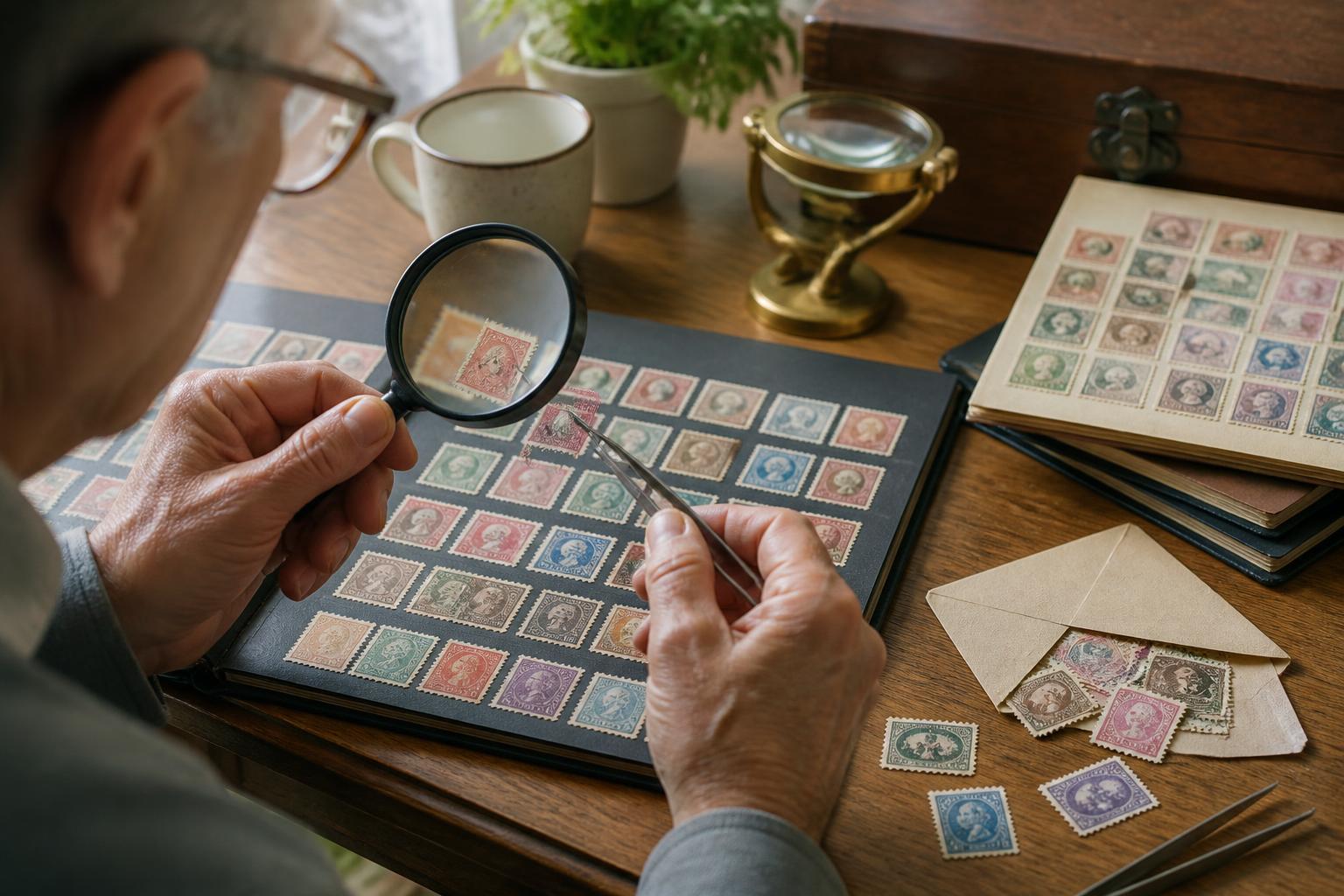
Some postage stamps are valuable because they are rare, demand is strong, or both. A stamp is usually worth money when it has a small surviving supply, a notable printing difference, a famous error, or a condition that collectors prize. The fastest way to tell is to check the stamp’s country, design, denomination, perforations, cancel, and condition, then compare those details with a reliable identifier or catalog before you assume it is common.
If you want a quick first pass, start with what is visible in the stamp itself. That means the portrait or design, the face value, the paper, the gum, the perforation edges, and whether the stamp is used or unused. Those details do not prove value by themselves. They do tell you whether you may have a regular mail stamp, a collectible variety, or something worth a closer appraisal.
What makes a stamp valuable
Stamp value comes from collecting demand and identifiable scarcity. That is the basic rule. A stamp can be old and still common, or newer and still desirable if it has a rare error, an unusual surcharge, or a limited issue.
- Rarity: Fewer surviving examples usually mean stronger interest.
- Condition: Sharp corners, intact perforations, clean paper, and original gum matter.
- Printing variety: Small differences in color, watermark, perforation, or paper can separate a common stamp from a scarcer one.
- Error or variety: Misprints and production oddities are often more collectible than regular issues.
- Demand: A stamp needs buyers, not just history, to command a meaningful price.
The reading of that list is straightforward. A stamp does not need to be famous to be valuable. It does need a feature that collectors can identify and a market that wants that feature.
How do I tell if my stamps are worth money?
Begin with a simple inspection. Look at the country name, denomination, year if shown, perforation style, watermark, and whether the stamp is mint or used. Then compare the stamp to a trusted reference or identification tool. If the stamp matches a known scarce issue, a known error, or a better condition category, it deserves a closer look.
Here is a practical decision path you can use at home:
- Separate stamps with visible damage from stamps that look clean and complete.
- Check whether the stamp is commemorative, definitive, airmail, revenue, or postal stationery cutout.
- Look for unusual perforations, overprints, missing colors, inverted designs, or printing shifts.
- Compare the stamp to identification references before you assume it is common.
- If the stamp still looks unusual after that, get a specialist opinion or catalog match.
If you want a structured way to do that, see How to Identify Your Stamps and Research Their Value. That guide is useful when a stamp looks promising but the variety is not obvious at first glance.
What collectors are usually looking for
Collectors often focus on the same handful of features because those are the ones that most often separate a common stamp from a desirable one. The fact is that many stamps exist in large numbers. The reading is that value tends to concentrate in exceptions.
- Famous classics: Early issues from major postal histories often attract steady demand.
- Error stamps: Inverted centers, omitted colors, and wrong perforations can be highly collectible.
- Low-print varieties: Some denominations or printings were made in smaller quantities.
- High-grade examples: Better centering and cleaner preservation can improve appeal.
- Postal history interest: Markings, usage, and route context can matter on used stamps.
For modern U.S. postage, the face value is often not the collecting value. A stamp used for mailing may still be common as a collectible item. For a plain explanation of that difference, see Postage Stamps: Face Value vs Collector Value.
Examples that collectors often chase
Some famous stamps are discussed so often because they show how rarity works. The most important lesson is not the headline name alone. The lesson is that a stamp becomes notable when a specific issue is scarce, well documented, and demanded by collectors.
| Example | Why it matters | What to check |
|---|---|---|
| Inverted Jenny | A classic U.S. error issue known for the inverted airplane center | Design orientation, authenticity, condition, and provenance |
| British Guiana One Cent Magenta | A legendary rarity with exceptional collector interest | Authenticity, issue details, and expert verification |
| Specialized U.S. definitives and commemoratives | Small printing differences can create collectible varieties | Perforations, watermark, paper, and plate details |
Those examples are not a shortcut to value for every old stamp. They are reminders that a famous name is less important than the exact issue in your hand.
Condition can change the result
Condition is one of the most important valuation factors. A stamp with intact perforations and clean surfaces usually has a better chance of selling well than the same stamp with tears, thins, stains, or heavy hinge marks. That is a general market pattern. The reading is that collectors pay up for stamps that look complete and well preserved.
- Centering: The design should sit neatly within the margins.
- Perforations: Missing or trimmed teeth can reduce appeal.
- Gum: Original gum matters on mint stamps, if the issue was intended to have it.
- Cancellations: Light, clear postmarks can be acceptable on used stamps.
- Damage: Tears, stains, creases, and thins usually lower value.
For a concrete U.S. example of a common issue that collectors still check closely, read Lincoln 4 Cent Stamp Value: What Collectors Check First. For another broad-market example, see 1 Cent Washington Stamp (1954): Value and Varieties.
How to check a stamp before selling it
If you think you may have a better stamp, do not rush to list it as rare. The safer method is to document it first.
- Photograph the front and back in clear light.
- Record the country, denomination, year, and any visible inscription.
- Measure perforations and note whether the stamp is used or mint.
- Compare the stamp with a catalog, a reference guide, or an identification app.
- Keep unusual stamps separate from bulk material until you verify them.
If you want a quicker identification step on mobile, the Stampy stamp value identifier app may help you organize what you see in a photo before you seek a deeper appraisal. You can open it here: Stampy stamp value identifier on the App Store.
When a professional appraisal makes sense
A specialist appraisal is worth considering when the stamp appears to be scarce, when the condition is unusually good, or when the issue may involve a known error or rare variety. That is the practical rule. The reading is that expert review saves time when the upside is meaningful.
Appraisal is also sensible when you have a group of stamps instead of one item. A mixed collection often includes common material, better singles, and duplicates. A trained eye can separate those categories faster than a casual search.
What to avoid before you sell
Small handling mistakes can reduce value. Stamps are fragile compared with most paper items, and some damage cannot be undone.
- Do not wash, trim, or press a stamp unless you know the effect on value.
- Do not remove gum or hinge remnants in a way that alters the surface.
- Do not write on the back or mount it with adhesive tape.
- Do not assume every old stamp is rare just because it is old.
If you need a broader overview of current stamp pricing basics, Current Stamp Price: What It Means and How to Estimate a Stamp’s Value explains the difference between postal use and collector interest.
Quick checklist for valuable stamps
- Is the stamp clearly identified by country and issue?
- Does it show a known error, variety, or unusual overprint?
- Are the perforations, margins, and surface in strong condition?
- Is the stamp mint, used, or on cover, and does that affect the issue?
- Have you compared it with a reliable reference before pricing it?
If several answers point in the same direction, the stamp may be worth more than face value. If only one answer looks unusual, the stamp may still be common.
FAQ
What postage stamps are collectors looking for?
Collectors often look for scarce classics, strong-condition examples, well-known errors, and varieties that differ from ordinary printings. The exact demand depends on the issue and the market. A stamp with a documented difference usually draws more interest than a common stamp with no special features.
What stamp sold for $2 million?
Famous rarities have sold for very large sums, and the British Guiana One Cent Magenta is the example most people ask about. Sale prices vary by date, buyer, and venue, so any exact figure should be checked against the specific auction record you are using. The key point is that extraordinary prices usually come from extraordinary rarity.
Are old postage stamps always valuable?
No. Age alone does not make a stamp valuable. Many older stamps were printed in large numbers and survive in common condition. Rarity, demand, and state of preservation matter more than age by itself.
Should I use an app to identify a stamp?
An app can help you organize details from a photo and narrow down possible matches. It is best used as a first-pass tool, not as the final word on value. If the stamp appears unusual or scarce, verify it with a catalog or specialist.
Next step
If you have a stamp that looks different, rare, or unusually clean, document it first and compare it carefully before selling. If you want help with that first pass, try the Stampy stamp value identifier app and then confirm anything promising with a trusted reference or appraiser.
Try the Stampy app
Use the app when you want a faster, more organized starting point before comparing details manually.