
Stamp Value Guide
1 Cent Washington Stamp (1954): Value and Varieties
Learn how to check the 1 cent Washington stamp 1954 value, what affects its worth, and how to assess condition, printing details, and sale options.
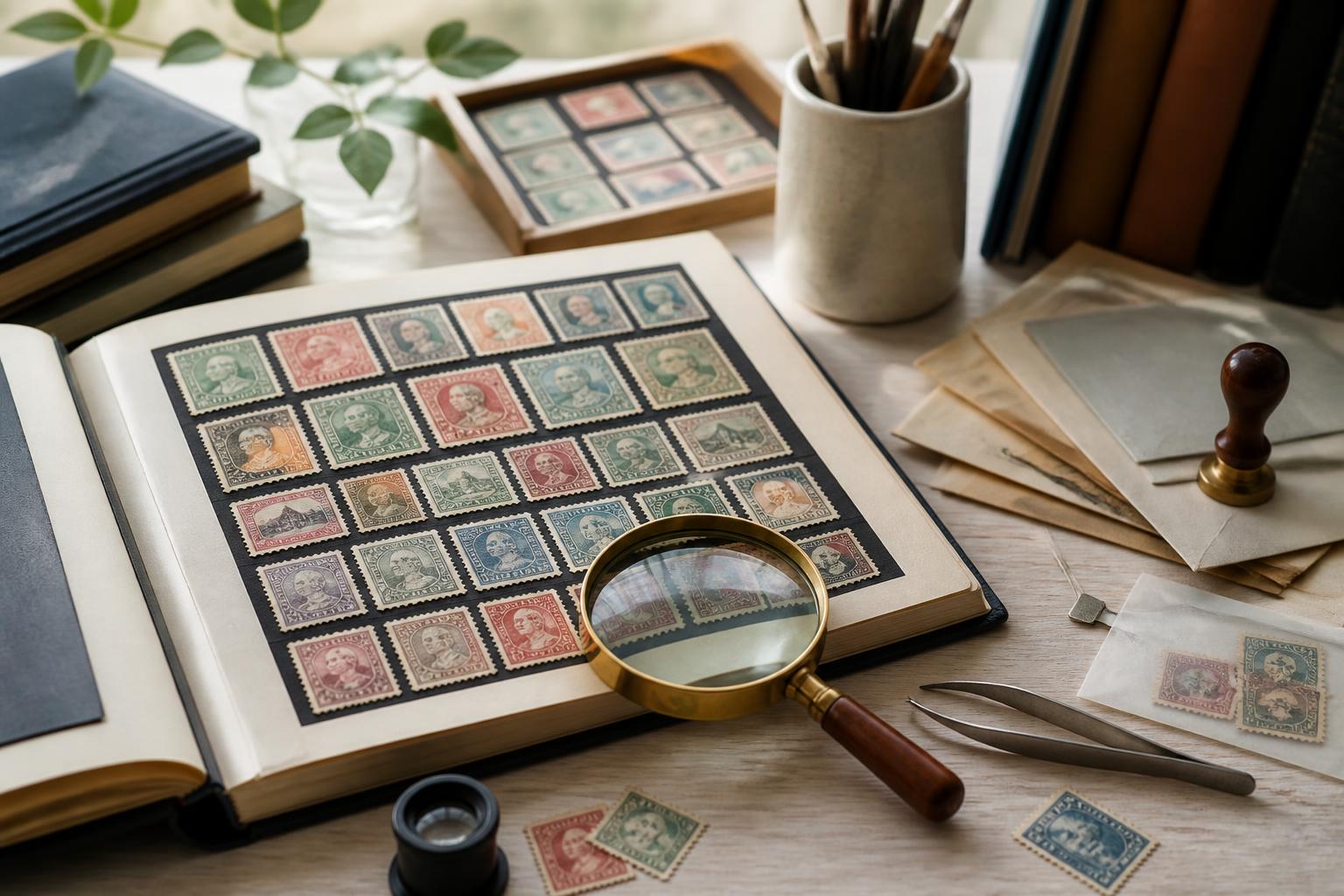
If you have a 1 cent Washington stamp 1954 in your collection, you may be wondering whether it is simply a common used stamp or a small collectible with added value. The short answer is that many examples are modest in value, but condition, color, gum, centering, and printing variety can change the outcome.
This guide explains how to check the 1 cent Washington stamp 1954 value, what features matter most, and how to decide whether your stamp is best kept, appraised, or sold.
For a faster estimate, you can also use a Stamp Value Scanner: Check Stamp Value by Photo or the Stamp Identifier App to compare your stamp against known types.
What the 1954 1 Cent Washington Stamp Usually Represents
The 1954 1 cent Washington issue is part of the long-running U.S. definitive series that featured George Washington as a common everyday postage design. Because it was printed for regular postal use, many examples were saved and used in large quantities. That means the stamp is often affordable, but not always identical in value.
When collectors search for 1 cent Washington stamp 1954 value, they are usually trying to figure out one of these things:
- Whether the stamp is a common used example or a better-grade collectible
- Whether the stamp has an unusual variety, such as a plate position or printing difference
- Whether condition has lifted its value above a basic face-value type stamp
- Whether a mint example with original gum is worth more than a used copy
The Main Factors That Affect Value
The market value of a stamp is rarely determined by date alone. For the 1954 1 cent Washington, the following factors matter most.
| Factor | Why it matters | What to look for |
|---|---|---|
| Condition | Higher-grade stamps are more desirable | Clean edges, intact perforations, no tears or heavy creases |
| Centering | Well-centered stamps are usually preferred by collectors | Design not pushed too far toward one side |
| Mint or used | Original gum can matter for mint examples | Unused stamp with gum versus cancel-marked used stamp |
| Color and freshness | Bright, even color can improve appeal | No fading, toning, or stains |
| Printing variety | Some versions are scarcer than others | Check perforations, shade, paper, or watermark details if applicable |
| Demand | Common issues may have limited resale value unless in better condition | Interest from topical, U.S. classic, or definitive-series collectors |
Mint vs. Used Examples
Mint stamps often appeal to collectors if the gum is intact and the stamp has not been hinged, regummed, or heavily disturbed. Used copies are generally more common, but a clean postmark and strong centering can still make them attractive in a collection.
If you are comparing your stamp to other Washington issues, you may also find our guide on 1 Cent Thomas Jefferson Stamp Value: How to Check What It Is Worth helpful for understanding how everyday U.S. definitives are typically evaluated.
Condition Problems That Lower Value
- Tears, thins, or missing perforations
- Heavy hinging or stuck-on paper remnants
- Rust spots, toning, or foxing
- Creases and folds
- Worn cancels that obscure the design
How to Check Your Stamp Step by Step
If you want a practical way to assess a 1954 1 cent Washington stamp, use this simple checklist.
- Identify the denomination and portrait. Confirm that it is the 1 cent Washington issue and not a similar-looking definitive from a different year.
- Check whether it is mint or used. Look for original gum on the back or a cancellation on the front.
- Inspect the perforations. Uneven or trimmed perforations can reduce value.
- Look at centering. Compare the border size on all four sides.
- Evaluate color and paper condition. Bright, clean stamps are generally more desirable.
- Search for varieties. Examine if there is anything unusual about the shade, spacing, or production details.
- Compare against recent listings or guides. Use a photo-based identifier or catalog reference to narrow the type.
For broader context on how collectors assess stamps of different eras, our Postage Stamp Price: How to Check What It Is Worth guide is a useful starting point.
When a 1954 1 Cent Washington Stamp May Be Worth More
Most examples are not rare, but certain traits can make them more interesting to buyers. A stamp may have more appeal if it shows one or more of the following:
- Exceptional centering for the issue
- Mint condition with intact gum
- Very light, neat cancellation on a used copy
- Clear, fresh color with no toning
- Documented variety or plate-related feature
- Strong placement in a matched U.S. definitive set
In many cases, the real difference is not the stamp’s age but its grade. A common stamp in excellent condition can sell far better than the same stamp with damage.
How to Appraise It Before Selling
If you think your stamp may be better than average, take a careful approach before listing it or offering it to a dealer.
- Photograph both sides in natural light
- Use a magnifier to inspect gum, perforations, and any small faults
- Keep it in a protective sleeve to avoid handling damage
- Note any unusual traits such as a different shade or print anomaly
- Compare with trusted references or an identifier app before pricing
If you have multiple U.S. definitives or older issues, a wider overview like Old Stamps Value: Check Vintage and Antique Stamps can help you place the stamp in context.
Best Ways to Sell or Get a Second Opinion
If your goal is to sell, choose the route that matches the stamp’s likely value.
- Low-value common examples: often best sold as part of a small lot or collection
- Higher-grade examples: may deserve a closer look from a stamp dealer or collector specialist
- Questionable varieties: should be evaluated before pricing
For a broader strategy on selling without underselling, see Sell Stamp Collection: How to Get the Best Price. If you are evaluating more than one item, a collection-level estimate may be more useful than pricing each stamp alone. Our guide on Stamp Collection Valuation: What Is Your Collection Worth? explains that process.
Quick Value Checklist
Use this quick list before you decide what your 1 cent Washington stamp 1954 value might be.
- Is it mint or used?
- Are the perforations complete?
- Is the stamp centered well?
- Is the color clean and even?
- Are there tears, creases, thins, or stains?
- Does it show any unusual printing or paper characteristics?
- Does it look like a common example or a better-grade collectible?
Tip: Two stamps with the same face design can have very different value profiles once condition and variety are considered. Always evaluate the individual stamp, not just the issue date.
FAQ
Is the 1 cent Washington stamp 1954 valuable?
It can be, but many examples are common. Value usually depends on condition, centering, whether it is mint or used, and whether it shows any special variety.
How do I know if mine is mint or used?
Look for original gum on the back for mint examples. A postal cancellation usually indicates a used stamp. Be careful not to confuse disturbed gum or paper residue with original mint condition.
Do small flaws matter?
Yes. Tiny tears, thins, heavy hinging, or poor perforations can reduce value a lot on a common issue where collectors favor clean examples.
Should I get it professionally appraised?
If the stamp appears unusually well-centered, mint with gum, or possibly scarce in a specific variety, a professional opinion can be worthwhile. For ordinary used copies, a photo-based identifier may be enough for a first pass.
What is the fastest way to check it?
The quickest route is to compare clear photos with a stamp identification tool or value scanner, then confirm details with a trusted guide before deciding how to price it.
Final Thoughts
The 1 cent Washington stamp 1954 value depends less on the date itself and more on what kind of example you have. A clean mint stamp, a well-centered used copy, or a notable printing variety can be more interesting than a worn common piece.
If you want to move from guesswork to a more informed estimate, try the Stamp Identifier App or the site’s photo-based value tools, then compare your results with reliable collecting references. That approach is usually the most practical way to decide whether to keep, appraise, or sell your stamp.
Try the Stampsidentifier app
Use the app when you want a faster photo-based check before comparing details manually.