
Stamp Value Guide
Polish Stamps Value: What Collectors Look For
Learn how to assess Polish stamps value by issue, condition, rarity, and demand. See what makes rare Polish stamps and Polish stamps worth money, plus selling and appraisal tips.
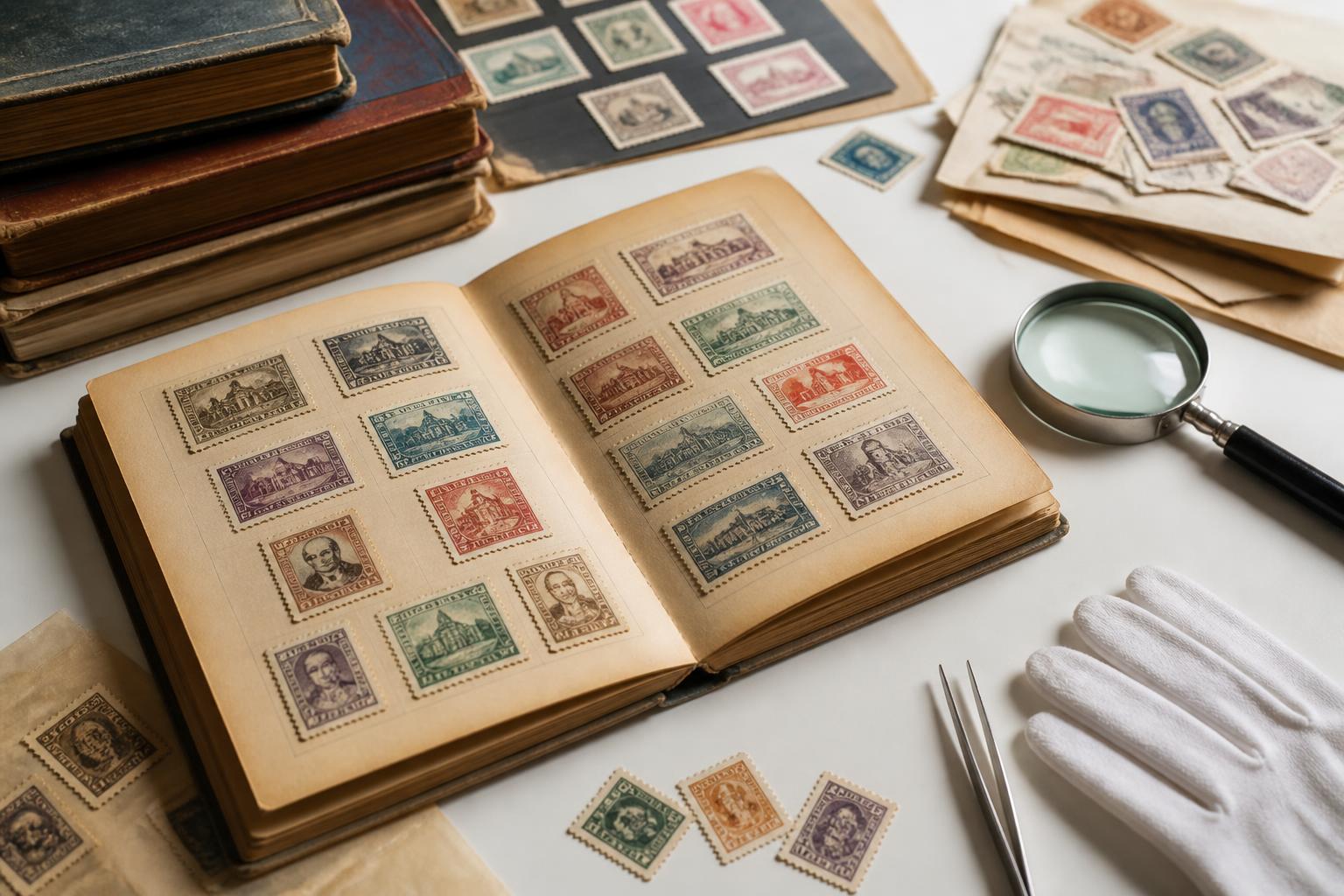
If you are trying to determine Polish stamps value, the good news is that you do not need to be an expert to get started. Most Polish stamps are worth modest amounts, but certain issues can become highly collectible when they are rare, well preserved, or tied to a sought-after historical period.
This article explains the main factors that affect value, how to spot rare Polish stamps, what makes some Polish stamps worth money, and how to move from a rough estimate to a practical appraisal. If you want a faster first look, you can also use the Stampy Stamp Value Identifier app or compare your stamps with a broader stamp valuation guide.
What affects Polish stamps value?
Polish stamps are valued like most collectible stamps: rarity, condition, and demand matter most. The exact issue, printing variety, and whether the stamp is mint or used can change the result dramatically.
- Rarity: Lower print runs, short-lived issues, and stamps with limited surviving examples are usually more desirable.
- Condition: Centering, gum, color, perforations, thin spots, tears, and hinge marks all influence value.
- Cancellation: Clean, light postmarks may be preferred on some used stamps, while heavy cancellations can reduce appeal.
- Historical context: Stamps from early Polish issues, wartime periods, or transitional political eras often attract more interest.
- Demand: Even a scarce stamp may not be expensive if few collectors actively seek it.
- Varieties: Plate flaws, overprints, watermark changes, color shifts, and perforation differences can matter.
In other words, two stamps that look similar at first glance can have very different market values. For that reason, a careful identification step is essential before you assume anything about price.
How to estimate the value of Polish stamps
A useful first estimate starts with four basic questions: what is it, when was it issued, is it mint or used, and what condition is it in? Once you know those details, you can compare it against catalog listings, dealer offerings, and recent sales where possible.
- Identify the issue. Look for inscriptions, denomination, perforation type, watermark, and any overprint or surcharge.
- Check the format. Singles, blocks, se-tenant pairs, and complete sets can have different values.
- Evaluate condition. Use good light and a magnifier to inspect corners, margins, gum, and any defects.
- Compare against references. A stamp catalog or valuation resource can help you narrow the range.
- Adjust for market demand. Dealer asking prices are not the same as what a stamp actually sells for, so compare carefully.
If you are building a large album, a broader overview like stamp collection valuation can help you think about the collection as a whole, not just one individual stamp.
Common signs of rare Polish stamps
Some Polish stamps become collectible because they were issued during politically complex periods, in limited quantities, or with varieties that are easy to miss. While not every older stamp is valuable, these are the features that often catch collectors’ attention.
- Early national issues: Older stamps from the first decades of Polish postal history may be more desirable than later common definitives.
- Overprints and surcharges: Temporary changes can create collectible varieties.
- Short-run commemoratives: Some special issues had smaller surviving populations.
- Printing differences: Color shades, watermark changes, and perforation variants can create scarce subtypes.
- Postal history pieces: Covers or documents with proper usage can be more interesting than loose singles.
Tip: A stamp that looks ordinary in an album can still be collectible if it has a scarce variety, a better-than-average cancellation, or an unusual printing characteristic.
Examples of what collectors often look for
Not all valuable material comes from one famous issue. Collectors of Polish material often focus on several categories at once.
| Type of stamp | What to look for | Value impact |
|---|---|---|
| Early Polish issues | Age, scarcity, centering, and condition | Can be significant if genuinely scarce and well preserved |
| Overprinted stamps | Correct overprint style, authenticity, and clear identification | Varieties may be much more collectible than standard issues |
| Used commemoratives | Light cancellation, intact perforations, clean paper | Better condition usually improves desirability |
| Mint singles | Original gum, no hinge damage, strong centering | High-grade examples often bring stronger interest |
| Postal covers | Clear route, date, and proper usage | Can outperform loose stamps when historically relevant |
When researching the broader market, it can help to compare with examples from other classic U.S. and worldwide issues as a valuation reference point. For example, guides such as postage stamp price show how condition and demand affect value across different categories.
What makes Polish stamps worth money today?
The phrase Polish stamps worth money usually applies to items with a combination of strong collector demand and limited supply. That can include scarce singles, better sets, and attractive postal history items. However, value can change depending on market trends, so it is best to treat any estimate as a range rather than a fixed price.
- High-grade condition: Fine centering and intact gum can lift mint examples.
- Clear identification: Correctly identified varieties are easier to sell.
- Completeness: Full sets often bring more interest than random singles.
- Authenticity: Expert verification matters for high-value or unusual items.
- Market timing: Demand can vary by auction season and collector interest.
If your goal is to sell, remember that a dealer offer, auction estimate, and retail catalog figure may all be different. The best result often depends on whether you want fast liquidity or maximum exposure to collectors.
How to check Polish stamps value step by step
Use this simple checklist when you evaluate a stamp from your collection:
- Place the stamp on a clean surface with good light.
- Check the denomination, country name, and issue details.
- Look for perforation differences or unusual printing marks.
- Inspect the back for gum condition, hinges, or thinning.
- Compare the stamp with catalog images or trusted online references.
- Note whether it is mint, used, or on cover.
- If it seems unusual, keep it separate from bulk material.
For a quicker first pass, many collectors like using a photo-based tool such as the stamp value scanner. It can help you narrow down identification before you do deeper research.
When to get an appraisal
Not every stamp needs a professional appraisal, but it is a smart idea when you suspect a scarce variety, a valuable classic issue, or an expensive cover. An appraisal is especially useful if you plan to insure, inherit, or sell a collection.
Consider getting help if:
- the stamp looks unusually old or uncommon
- you see an overprint, watermark, or perforation variety you cannot identify
- the item appears to be a rare mint example with original gum
- you have a set, block, or cover that may be better than a single stamp
- you are preparing to sell a larger collection
For broader next steps, you may also want to review sell stamp collection tips before choosing an auction, dealer, or private sale route.
FAQ
Are most Polish stamps valuable?
Most Polish stamps are not highly valuable on their own, especially common used definitives and later mass-produced issues. Value usually appears when a stamp is scarce, well preserved, or part of a desirable set or variety.
What are the most valuable Polish stamps?
The most valuable Polish stamps are usually scarce early issues, important overprints, strong mint examples, and rare varieties with clear collector demand. Exact values depend heavily on condition and authentication.
How can I tell if I have rare Polish stamps?
Check the issue date, overprints, perforations, watermark, and condition. If the stamp has an unusual feature or looks older than the rest of your collection, compare it carefully against a catalog or use a photo identifier tool before assuming it is common.
Do used Polish stamps have value?
Yes, used stamps can absolutely have value. In some cases, a clean used example is more desirable than a damaged mint stamp. Postal history items on cover can also be collectible.
What is the fastest way to start researching value?
Start by identifying the stamp from a clear photo, then compare it with trusted references and recent market listings. A photo-based identification tool can speed up the first step, especially when you have a mixed album or inherited collection.
Final thoughts
Understanding Polish stamps value starts with identification, condition, and rarity. Once you know the issue and its physical details, you can separate common material from stamps that may be more desirable to collectors. That is the best way to avoid overestimating a common stamp or overlooking a potentially scarce one.
If you want a practical next step, try the Stampy Stamp Value Identifier app for a fast first look, then compare the result with a trusted valuation resource before you buy, insure, or sell.
Try the Stampsidentifier app
Use the app when you want a faster photo-based check before comparing details manually.