
Stamp Value Guide
International Stamp Prices: Rates and Collector Values
Learn how to assess international stamp prices with a practical value guide, key pricing factors, appraisal tips, and a simple checklist for collectors.
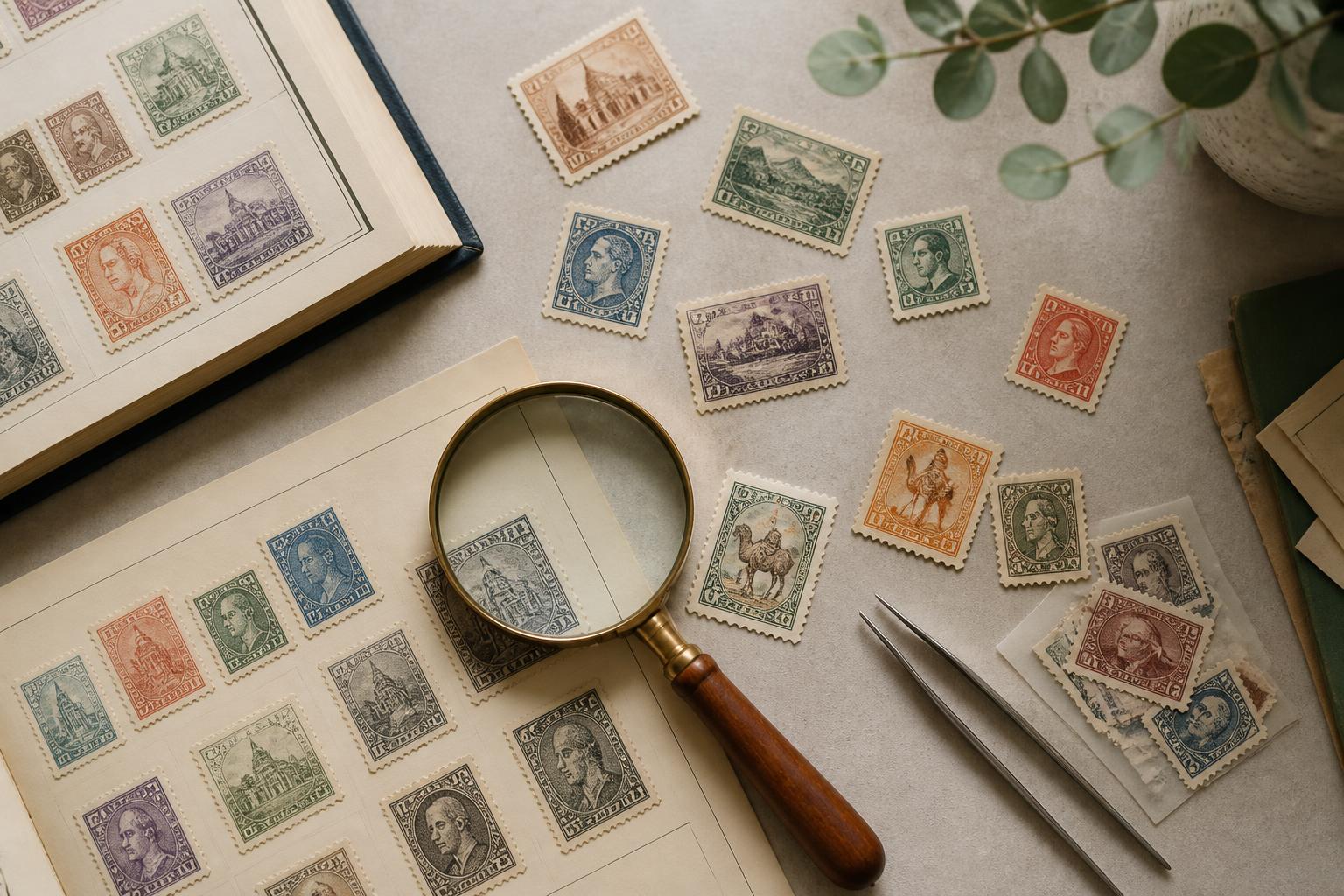
If you are trying to understand international stamp prices, the first thing to know is that there is rarely one fixed answer. A stamp’s value can change based on country, age, condition, rarity, demand, and whether it is part of a complete set. That is why a good international stamp value guide looks beyond the face design and checks the details that matter to collectors.
In this article, you will learn how to evaluate international stamp value in a practical way, what factors affect pricing, how to compare examples, and when it makes sense to use an appraisal tool or scan-based identifier. If you want a faster starting point, you can also use the Stampy Stamp Value Identifier on the App Store to help narrow down what you have.
What affects international stamp prices?
International stamp prices are usually shaped by a combination of collectible demand and stamp condition. Two stamps that look similar may have very different market values if one is common and the other is scarce in a certain format or condition.
Here are the main factors collectors and sellers check first:
- Country and era: Some countries and time periods attract stronger collector demand than others.
- Rarity: A stamp can be rare because it had a small print run, limited distribution, or low survival rate.
- Condition: Centering, gum, perforations, color, and any tears, thin spots, or creases all matter.
- Cancellation: Used stamps are valued differently from unused ones, and certain cancellations may be preferred.
- Set completeness: A full issue or matched set may be more valuable than single loose stamps.
- Collector demand: Even a common stamp can have stronger value if it is sought after by topical or country collectors.
- Authenticity: Reprints, repairs, and forgeries can affect price significantly.
How to estimate international stamp value step by step
A useful international stamp value guide starts with identification, then moves into condition and market comparison. You do not need to be an expert to get a reasonable first estimate, but you do need to look closely.
- Identify the country and issue. Look for the country name, denomination, design theme, and year if visible.
- Check the format. Decide whether the stamp is unused, used, mint, hinged, part of a set, or on cover.
- Inspect condition. Use good lighting and a magnifier to check the corners, perforations, gum, and surface.
- Compare with similar examples. Search for comparable stamps from reputable catalog or marketplace listings.
- Adjust for quality. A stamp in excellent condition usually brings more than one with obvious damage.
- Consider specialist interest. Some issues are especially valuable to thematic, colonial, or country specialists.
If you are unsure about identification, a stamp photo tool can save time. The Stamp Value Scanner: Check Stamp Value by Photo is a helpful starting point for collecting a few key details before you do deeper research.
Common pricing ranges: what changes the number?
Because there is no universal international stamp price guide that applies to every issue, the same category can span from very low to surprisingly high values. The table below shows how different factors can influence price expectations in general terms.
| Factor | Lower-value signs | Higher-value signs |
|---|---|---|
| Condition | Tears, creases, thins, heavy cancellation | Clean surface, sharp perforations, strong color, excellent centering |
| Rarity | Common issue, large surviving supply | Scarce issue, short print run, limited survival |
| Format | Loose damaged single, mixed lot without context | Complete set, sheet margin, block, or cover with interest |
| Demand | Little collector interest | Active specialist demand or strong topical interest |
| Authenticity | Unverified, repaired, uncertain | Clearly genuine, well documented, or expert-checked |
How to compare international stamp prices without overpaying
When you search for international stamp prices online, do not rely on a single listing or an optimistic asking price. A better approach is to compare several sources and focus on sold or realistically priced examples.
- Compare like with like: Match country, year, denomination, condition, and whether the stamp is mint or used.
- Watch for catalog vs. market gaps: Catalog values can differ from real selling prices.
- Check recent sales when possible: Recent results are often more useful than old listings.
- Look at lot quality: A large mixed lot may seem cheap per stamp, but a better-selected group can be worth more.
- Be cautious with altered examples: Trimmed perforations, regumming, or hidden faults can distort pricing.
For broader context on valuation methods, you may also find Stamp Valuation: How to Find Out What Your Stamps Are Really Worth (2026) useful when you want to move from a quick estimate to a more informed assessment.
When an appraisal or collection valuation makes sense
If you have a group of international stamps rather than just one item, a stamp collection valuation can be more helpful than checking individual pieces one by one. Collections can gain value through organization, theme, completeness, and better material hidden among common stamps.
Consider an appraisal or collection review if you have:
- a large inherited collection
- albums with stamps from multiple countries
- older issues that may include scarce varieties
- stamps on cover or postal history items
- material you plan to sell and want to price more confidently
If that describes your situation, this page on Stamp Collection Valuation: What Is Your Collection Worth? may help you decide whether to value the collection as a whole or item by item.
Simple checklist before you sell or request a quote
Before you contact a dealer, list stamps for sale, or request an opinion, it helps to prepare a clean record of what you have. A little organization can make international stamp prices easier to discuss and compare.
- Sort stamps by country and approximate period
- Keep sets together when possible
- Note whether each stamp is mint or used
- Record visible faults or repairs
- Take clear photos of the front and back
- Save any album pages, certificates, or provenance notes
When you are ready to think about market options, this guide to Sell Stamp Collection: How to Get the Best Price can help you understand how pricing and selling channels connect.
Practical examples of value differences
To make international stamp value easier to understand, here are a few common scenarios that often affect price direction. These are not fixed price claims, but they show why careful comparison matters.
- Used common issue vs. mint example: The mint copy may command more if it has original gum and strong condition.
- Single stamp vs. complete set: A complete set may appeal to more collectors than one loose issue.
- Damaged stamp vs. clean copy: Even a small fault can reduce desirability.
- Loose stamp vs. postally used cover: Some postal history items can carry stronger interest than the stamp alone.
For older material, condition and identification are especially important. You can explore related guidance in the Old Stamps Value: Check Vintage and Antique Stamps article if your collection includes pre-modern issues.
Soft CTA: use a photo-based identifier as a starting point
If you have a stamp in hand and want to move quickly from guessing to checking, a photo-based identifier can help you narrow down country, issue type, and likely value range. That makes it easier to research the right international stamp price guide and avoid comparing the wrong stamp.
Try the Stampy Stamp Value Identifier for a practical first look, then verify details with trusted references and collector sources.
FAQ about international stamp prices
How do I find the value of an international stamp?
Start by identifying the country, denomination, issue period, and condition. Then compare similar examples and check whether the stamp is mint, used, part of a set, or on cover. If you need help identifying it first, a photo-based scanner can be a useful shortcut.
Why do international stamp prices vary so much?
Prices vary because collector demand, rarity, condition, and authenticity can differ dramatically. Two stamps from the same country can have very different values if one is common and the other is scarce or in exceptional condition.
Is catalog value the same as market value?
Not always. Catalog values are useful for reference, but actual selling prices depend on demand, quality, and where the stamp is sold. Market comparison is usually the better reality check.
Should I get every stamp appraised?
Usually no. Many collections contain common material that does not need detailed appraisal. It is often best to focus on older, unusual, high-quality, or potentially scarce stamps first.
What is the fastest way to begin checking international stamp value?
Take clear photos, identify the country and issue, and compare the stamp against trusted references. A scanner or identifier app can help you sort the material before deeper valuation research.
For more collector-friendly valuation resources, visit the Blog or explore the broader Stamp Value Guide: Check What Stamps Are Worth for related topics.
Try the Stampsidentifier app
Use the app when you want a faster photo-based check before comparing details manually.