
Stamp Value Guide
Postage Stamp Prices: Face Value vs Collector Value
Learn how to check postage stamp price and what affects stamp value, from condition and rarity to perforations, cancellations, and demand. Includes valuation tips, selling steps, and FAQ.
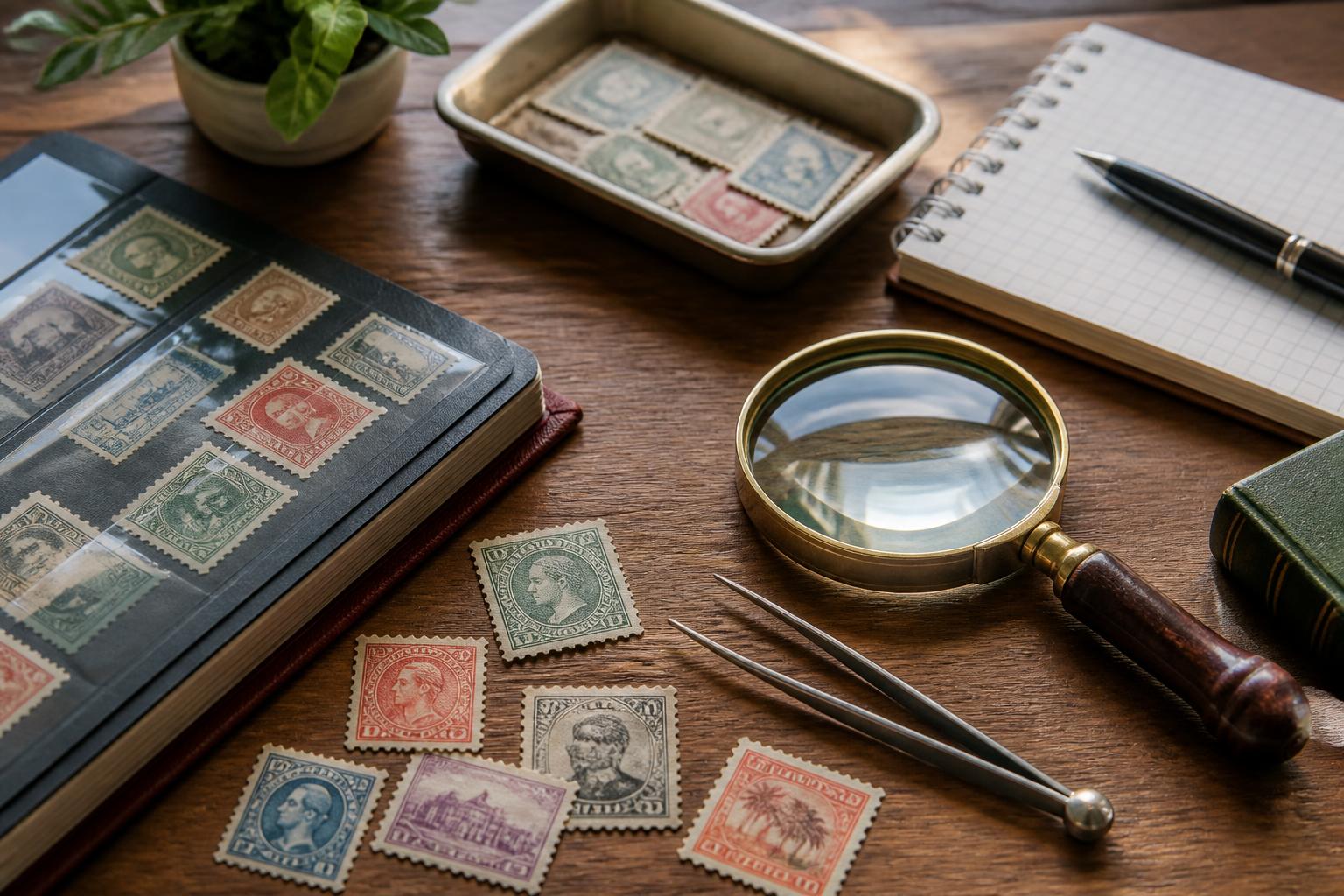
If you are trying to find the right postage stamp price, the first thing to know is that the printed denomination is not always the same as the stamp’s market value. Some stamps are worth exactly the face value needed for mailing, while others may have a much higher collectible value because of rarity, condition, age, or demand.
This guide explains how to check the cost of postage stamp issues, how to estimate postage stamps worth, and what to look for when comparing stamps and value. Whether you are evaluating a single stamp or sorting through a collection, the goal is the same: identify what you have before you decide whether to keep, use, appraise, or sell it.
For a quicker visual starting point, you can also use the Stamp Value Scanner: Check Stamp Value by Photo or the Stampy Stamp Value Identifier app.
What “postage stamp price” can mean
The phrase postage stamp price can refer to a few different things, and it helps to separate them before you make a valuation.
- Face value: the denomination printed on the stamp, used for mailing.
- Current mail stamps price: what a post office charges for a modern stamp today.
- Collector value: what a stamp might sell for on the open market.
- Catalog value: a reference price listed in a stamp catalog, often not equal to actual selling price.
In other words, the cost a postage stamp has for postage use may be very different from what a collector will pay. A common stamp with heavy wear may be worth little beyond postage, while a scarcer stamp in excellent condition may be worth substantially more.
What affects the value of a postage stamp?
Stamp valuation is usually based on a combination of physical condition, issue details, and market demand. No single factor determines everything, but these are the main ones collectors check.
| Factor | Why it matters | What to check |
|---|---|---|
| Condition | Better condition usually means stronger value | Tears, thinning, creases, stains, gum condition |
| Rarity | Scarcer stamps are often more desirable | Print run, issue type, special varieties |
| Centering and design | Neat, balanced stamps tend to attract buyers | Margins, image alignment, visible damage |
| Perforations | Missing or damaged perforations can reduce value | Clean edges, shortened teeth, repairs |
| Cancellation | Some cancellations are preferred, others reduce value | Light, neat postmark versus heavy or messy cancel |
| Demand | Market interest influences the final selling price | Popularity with thematic or country collectors |
Condition is often the biggest difference
For many stamps, condition is the first thing a buyer notices. A stamp that looks clean, intact, and well-centered is generally more appealing than one with visible flaws. Even a small tear or thin spot can lower the stamp’s value significantly, especially for older material.
Rarity and issue type
Not all old stamps are valuable, and not all valuable stamps are rare in the same way. Some are scarce because few examples survived in collectible condition. Others are desirable because they were printed in smaller quantities, had a short period of use, or belong to a popular series.
If you are researching older U.S. material, related guides like 1 Cent Thomas Jefferson Stamp Value: How to Check What It Is Worth and 8 Cent Eisenhower Stamp Value: How to Check What It Is Worth can help you understand how denomination and issue context affect price.
Used versus mint stamps
Whether a stamp is mint or used can make a noticeable difference. Mint stamps often need original gum and clean condition to hold stronger value, while used stamps are judged more by cancel quality, freshness, and overall appearance. Some collectors prefer unused examples, while others focus on well-centered used copies.
How to check what a stamp is worth
If you want to estimate a stamp price without guessing, use a simple, repeatable process.
- Identify the stamp. Note the country, denomination, design, color, and any visible date or series clues.
- Check condition carefully. Look at corners, perforations, gum, centering, and any damage.
- Compare with references. Use catalog listings, auction results, and recent marketplace sales.
- Separate face value from collector value. A stamp can still be perfectly useful for mailing even if its collectible value is low.
- Look for varieties. Watermarks, shades, overprints, paper type, and printing differences can matter.
If you are not sure what you are looking at, a photo-based tool can save time. The Stamp Identifier App: Identify Stamps by Picture is a practical option for getting a first read on a stamp before you research it further.
When postage stamps are worth more than postage
Many people search for postage stamps value because they wonder whether an old envelope find or inherited album contains something special. Here are a few situations where the answer may be more than a simple mail stamps price.
- Older stamps in good condition with clean design and intact perforations
- Scarce issues that were printed in lower quantities or for a short time
- Interesting varieties such as overprints, color shifts, or paper differences
- Well-matched sets that are more attractive together than individually
- Specialized collectible themes that appeal to a targeted buyer group
Some stamps are valuable because of their history rather than their face amount. If your collection includes unusual older material, the guide on Old Stamps Value: Check Vintage and Antique Stamps may help you narrow down what deserves closer attention.
How to avoid common valuation mistakes
It is easy to overestimate a stamp if you focus only on age or on a high catalog number. A realistic valuation depends on what buyers actually pay, not just what a listing suggests.
- Do not assume every old stamp is rare.
- Do not count on catalog value as guaranteed selling price.
- Do not clean, trim, or “improve” a stamp before a review.
- Do not overlook faults on the back side of mint examples.
- Do not confuse a common commemorative with a scarce variety.
If you want a broader view of an entire album or inherited holding, Stamp Collection Valuation: What Is Your Collection Worth? and Stamp Valuation: How to Find Out What Your Stamps Are Really Worth (2026) are useful next steps.
Selling or appraising stamps the smart way
If your goal is to sell, a careful appraisal process can help you avoid undervaluing stronger material. Start by separating common postage from possible collectible items. Then group stamps by country, era, and condition so a buyer or appraiser can review them efficiently.
Helpful checklist before selling
- Keep stamps flat and dry.
- Use stamp tongs, not fingers, when possible.
- Do not remove old hinges or paper remains too aggressively.
- Sort obvious modern postage separately from older collectible material.
- Photograph front and back for record keeping.
For larger collections, an expert review may be worthwhile. If you need local or online help, see Stamp Collection Appraisal: Online and Near Me. If you decide to move forward with a sale, Sell Stamp Collection: How to Get the Best Price explains how to approach the market more strategically.
Special cases: stamps with different kinds of value
Some stamps deserve a second look because they combine postal use value with collector demand. For example, certain commemoratives, gold-toned issues, or higher-denomination stamps may be discussed by collectors in terms of both utility and scarcity. In those cases, it is especially important to identify the exact issue before assigning a price.
International issues can also be harder to judge at a glance. If you are looking through mixed-origin material, International Stamp Prices: How to Check What It Is Worth can help you compare stamps from different postal systems without mixing up face value and market value.
FAQs about postage stamp price
Is the postage stamp price the same as its value?
Not always. The printed denomination is the face value for mailing, but collectible value can be higher or lower depending on condition, rarity, and demand.
How do I know if a stamp is worth more than its mail use?
Check the issue, condition, and any special features such as varieties or unusual cancellations. If the stamp is older, scarce, or exceptionally clean, it may have collector value above its postal use.
What is the best way to estimate stamp price quickly?
Use a photo-based identifier or compare the stamp against trusted reference material, then review recent sales for similar examples. A scanner can be a fast first step, but condition still matters.
Do used stamps have value?
Yes. Many used stamps have collector value, especially if they are scarce, well-centered, or have a desirable postmark. However, common used stamps may be worth only a small amount.
Should I base my estimate on catalog value?
Catalog value is a helpful reference, but it is not the same as actual selling price. Real-world value depends on what buyers are paying for comparable stamps right now.
Final thoughts
Checking postage stamp price is really about identifying what kind of value you are looking at: postal use value, collector value, or appraisal value. Once you separate those categories, it becomes much easier to judge whether a stamp is common, scarce, or potentially significant.
If you want a practical next step, start with a clear photo and a quick identification tool. Then compare condition, rarity, and recent sales before deciding whether to keep, use, appraise, or sell the stamp. For an easy starting point, try the Stamp Value Scanner or download the Stampy Stamp Value Identifier app to help you check stamps and value more confidently.
Try the Stampsidentifier app
Use the app when you want a faster photo-based check before comparing details manually.