
Stamp Value Guide
Current Stamp Price: What It Means and How to Estimate a Stamp’s Value
Learn what current stamp price means, what affects current stamp values, and how to estimate the current value of a postage stamp before buying, selling, or appraising.
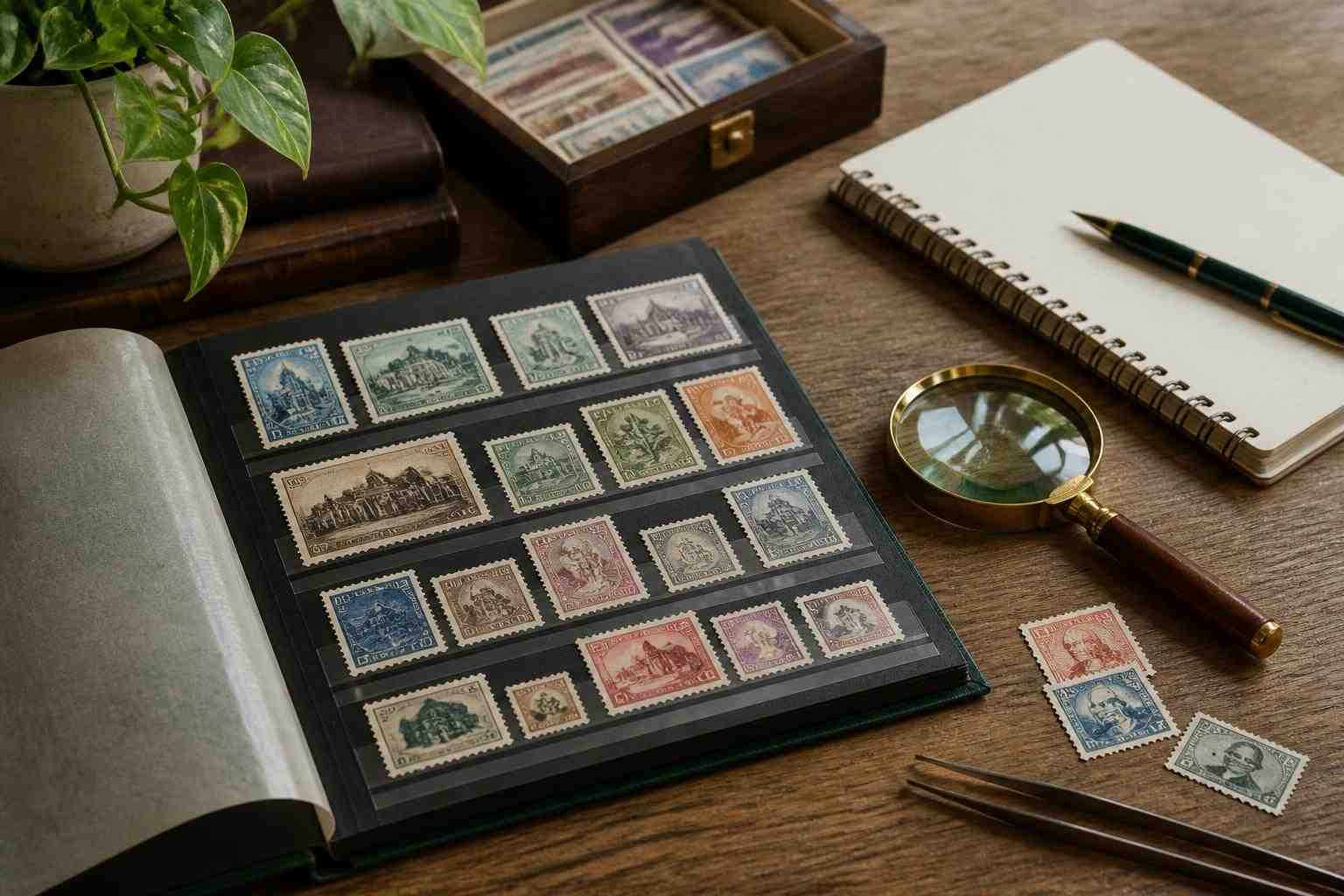
When people search for the current stamp price, they usually want two different answers: what a stamp costs to mail something today, and what a specific stamp is worth to a collector. Those are related, but they are not the same thing. A new postage stamp may have a set mailing value, while an older or scarcer stamp can have a much higher collectible value.
This guide explains how to think about the current cost of stamps, how to estimate the current postage stamp value of a particular issue, and what details matter most when you are deciding whether a stamp is ordinary mail, a useful mint example, or a collectible item worth a closer look.
What “current stamp price” can mean
The phrase current stamp price is used in a few different ways. In everyday use, it may refer to the current mail stamp price for mailing a standard letter. In collecting, it can also mean the current price on stamps in the market, which depends on demand, condition, and rarity.
Here is a simple way to separate the two:
- Postal price: the amount needed to mail a letter or package.
- Collector value: the market value of a specific stamp, often influenced by rarity and condition.
- Catalog or reference value: an estimated value used by collectors and dealers as a starting point.
If you are mainly trying to understand the mailing side, see our guide on Average Cost of a Stamp in 2026: What You’ll Actually Pay. If you are trying to identify collectible value, this article focuses on the appraisal side.
What affects the current value of a postage stamp
The current value of a postage stamp depends on more than age. Some older stamps are common and only worth a small amount, while others with the right combination of rarity and condition can be significantly more desirable.
These are the main factors collectors look at:
- Rarity: How many examples survive today, and how often they appear for sale.
- Condition: Centering, margins, gum, perforations, color, and any damage.
- Cancellation: A clear or unusual postmark can affect value either positively or negatively.
- Country and issue: Some countries or specific issues are more actively collected.
- Demand: Even a common stamp can rise in value if collectors are actively seeking it.
- Format: Mint, used, block, plate block, or on-cover examples may differ in value.
Condition matters more than many beginners expect
A stamp with a visible tear, thin spot, heavy hinge mark, or missing perforation may have a much lower market value than the same stamp in sharp condition. For many issues, even small flaws can matter a lot.
| Factor | Why it matters | What to look for |
|---|---|---|
| Rarity | Scarcer stamps usually attract stronger collector interest | Limited print runs, special issues, or hard-to-find varieties |
| Condition | Better-preserved stamps generally bring better prices | No tears, strong color, intact perforations, clean gum if mint |
| Postmark | Can help or hurt value depending on the issue | Readable, light, unusual, or historically interesting cancels |
| Demand | Collector interest changes over time | Active buyer interest for that country, theme, or era |
Examples of stamp value questions collectors ask
Many searches for current stamp values are really about identifying a specific issue. Some examples include classic U.S. definitives, commemoratives, or international material. A stamp might be interesting because of its denomination, paper type, color, perforation style, or whether it is mint or used.
For example, if you are checking a U.S. issue such as a Washington or Jefferson stamp, the denomination alone does not tell you the full story. You still need to look at printing details and condition. For more focused identification, you can compare your stamp with issue-specific guides such as 1 Cent Washington Stamp 1954 Value: How to Check What It Is Worth or 1 Cent Thomas Jefferson Stamp Value: How to Check What It Is Worth.
Other stamps may be worth reviewing because of denomination or use case rather than age alone. An example is postage intended for extra services or different mailing rates. If you have stamps used for additional mailing weight, see Additional Ounce Stamp Value: How to Check What It Is Worth.
How to estimate a stamp’s value step by step
If you want a practical way to estimate the current postage stamp value of a stamp in your collection, start with the basics and work outward.
- Identify the stamp. Check country, denomination, design, color, and any visible year or series.
- Check whether it is mint or used. Mint stamps often need a careful look at gum, while used stamps rely more on cancellation and condition.
- Inspect condition closely. Use good light and a magnifier to check perforations, corners, creases, thinning, and stains.
- Look for varieties. Small differences in paper, overprint, watermark, or perforation can change value.
- Compare with recent sales. Completed listings and dealer offers are often more useful than old price references.
- Use a scanner or identifier tool if needed. A photo-based tool can help narrow down the issue before deeper research.
If you want a quick photo-based check, try the Stamp Value Scanner: Check Stamp Value by Photo. It can help you move from an unknown stamp to a more informed starting point.
Quick checklist before you assume a stamp is valuable
- Is the stamp uncommon or just old?
- Are the perforations complete and neat?
- Is there creasing, a thin, or a tear?
- Is the cancellation light, clean, and appropriate?
- Does the issue have known varieties or printing differences?
- Are comparable examples actually selling, not just listed?
When the mailing value and collectible value differ
Some stamps are worth exactly their postal denomination when used for mail, but can still be collectible in mint or unusual condition. Other stamps may have a face value that is far below their market value. That is why the current postage stamp price and the current stamp price in the collector market should not be confused.
A simple example is a modern commemorative or special issue: it may be sold at face value for postage, yet a pristine plate block, scarce sheet format, or special usage can create collector interest. On the other hand, a common used stamp with heavy cancel may only be worth a small amount, even if it looks older than it is.
If you are evaluating a larger group of stamps, a broader Stamp Collection Valuation: What Is Your Collection Worth? approach may be more useful than judging each piece one by one.
What to do if you think a stamp may be worth more than face value
Before you sell, trade, or store a stamp, it helps to document it properly. Good presentation can make a big difference when you ask for an opinion or request an appraisal.
- Place the stamp in a protective sleeve or on a clean stock page.
- Photograph the front and back in clear, even light.
- Note any visible flaws, cancellations, or markings.
- Record any source information, such as where it was found or inherited.
- Compare it with similar examples before accepting the first offer.
If the stamp appears unusual, scarce, or part of a specialized issue, it may be worth getting a second opinion from a dealer or experienced collector. For some international material, country-specific guides can also help, such as Polish Stamps Value: What Collectors Look For.
Best next steps for collectors
If your goal is simply to understand the current cost of stamps, check the latest postal rate information from your local postal service. If your goal is to understand the current price on stamps as collectibles, focus on identification, condition, and comparable sales.
The fastest path is usually:
- Identify the stamp accurately
- Judge condition honestly
- Compare against recent market examples
- Use a scanner or appraisal guide when the stamp looks unusual
For a convenient starting point, you can also explore the Stampy app on the App Store to help with identification and value checking.
FAQ
What is the current stamp price for mailing a letter?
The mailing price changes over time and depends on the postal service, mail class, and destination. For the latest mailing rate, check the current postal rate information from your carrier.
How can I tell the current value of a postage stamp?
Start by identifying the exact issue, then check condition, mint or used status, and recent comparable sales. Small differences in perforation, gum, or cancel can change value.
Do older stamps always have higher value?
No. Age alone does not determine value. Many older stamps are common, while some newer issues or unusual varieties can be more desirable to collectors.
What is the easiest way to check a stamp quickly?
A photo-based identification tool can help narrow down the issue fast. From there, compare condition and recent sales before assuming a price.
Should I sell a stamp based only on a catalog number?
Not ideally. Catalog references are useful, but real-world value also depends on demand, condition, and whether your stamp matches the exact variety described.
If you have a stamp in hand and want a fast starting point, use the Stampy scanner tool, then compare the result with collector resources and recent market examples. That approach gives you a much better sense of the current stamp values than relying on guesswork alone.
Try the Stampsidentifier app
Use the app when you want a faster photo-based check before comparing details manually.